Mokarrameh Ghanbari: Una Pioniera dell’Arte Outsider Iraniana

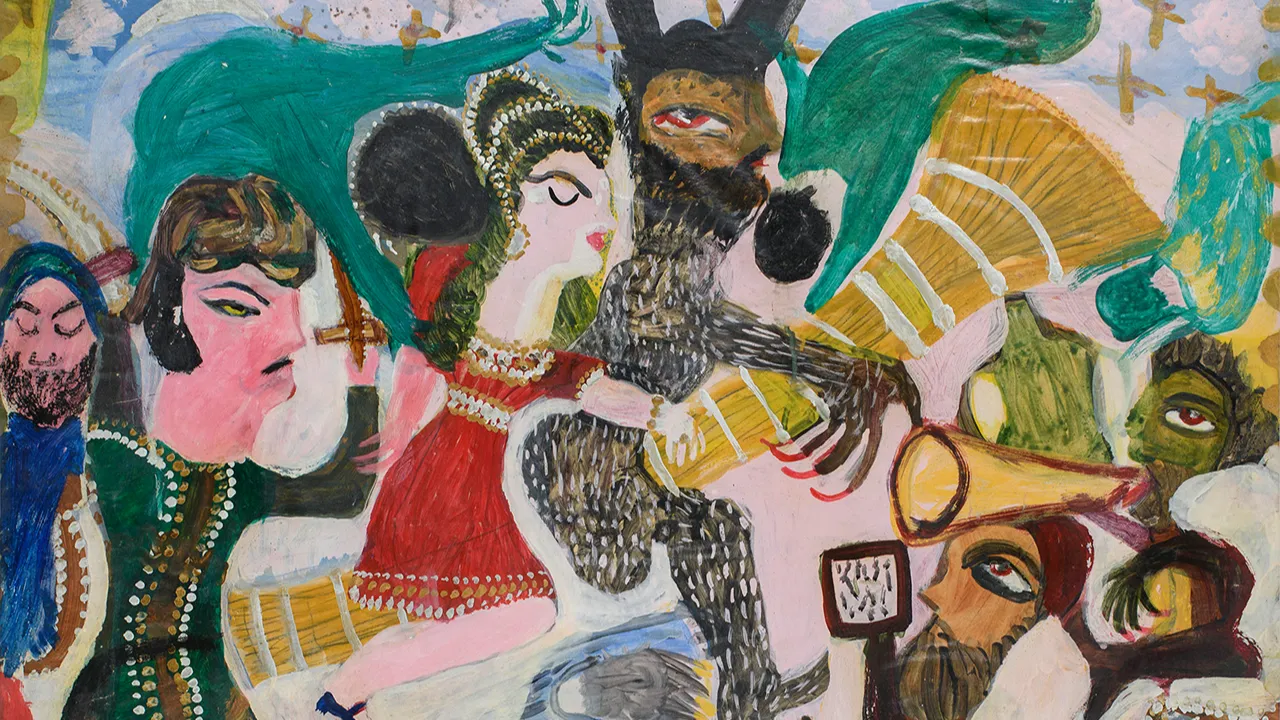
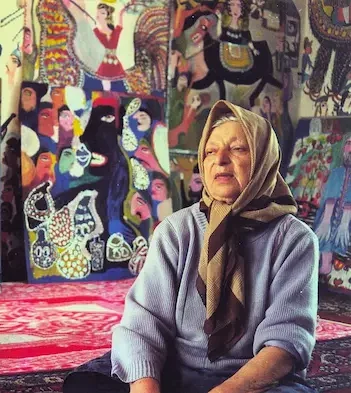
Mokarrameh Ghanbari, nata nel 1928 nel villaggio rurale di Darikhaneh nella provincia di Mazandaran, in Iran, è una delle figure più influenti nell’arte popolare iraniana e nell’arte outsider. Artista autodidatta, ha iniziato il suo percorso artistico all’età di 67 anni, molto più tardi rispetto alla maggior parte degli artisti, senza formazione accademica in arte. Usava vari materiali—coloranti naturali, pittura e persino le pareti della sua casa—per creare opere vibranti, profondamente ispirate alla folclore persiano, alle tradizioni rurali e alle sue esperienze personali.
Il Suo Percorso verso la Pittura
Mokarrameh ha iniziato a dipingere a 67 anni, ma è stata riconosciuta come pittrice solo negli ultimi dieci anni della sua vita di 77 anni. La sua vita è stata piena di sfide. Sin dall’età di 10 anni, ha cominciato a lavorare, affrontando una vita ricca di alti e bassi, e alla fine ha avuto nove figli. Fino ai 67 anni, Mokarrameh ha lavorato come sarta, parrucchiera, levatrice e guaritrice nel suo villaggio.
Ma un evento importante ha cambiato il corso della sua vita. Mokarrameh possedeva una mucca amata, che ogni giorno portava a pascolare percorrendo lunghe distanze. Un giorno, Mokarrameh si ammalò e i suoi figli, preoccupati per la sua salute, vendettero la mucca senza dirle nulla. Quando lo scoprì, fu profondamente triste per la perdita. Per superare questo dolore, si rifugiò nella pittura, dove la sua emozione interiore trovò la sua espressione esterna.
Attività Culturali e Contributi
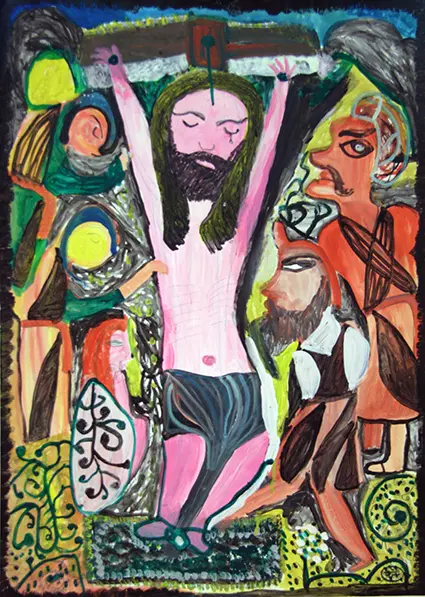
L’arte di Ghanbari ha affascinato il pubblico sia in Iran che a livello internazionale. I suoi dipinti, che spesso ritraevano temi di donne forti, animali e motivi spirituali, sono stati celebrati per i loro colori vivaci e la narrazione espressiva. Le sue opere hanno creato un ponte tra la vita rurale iraniana e l’arte contemporanea, offrendo uno spunto sulle ricche tradizioni culturali del paese. Ghanbari ha tenuto numerose mostre, tra cui la sua prima alla Seyhun Gallery di Teheran nel 1995, e le sue opere sono state esposte in importanti musei in Europa e negli Stati Uniti.
Successi e Riconoscimenti
Nonostante abbia iniziato la sua carriera artistica in un’età in cui molti avrebbero scelto di ritirarsi, Mokarrameh Ghanbari ha raggiunto notevoli successi. Le sue opere sono state riconosciute a livello nazionale e internazionale, guadagnandosi premi prestigiosi come “Donna dell’Anno” alla 12ª Conferenza Internazionale della Fondazione per gli Studi sulle Donne Iraniane a Stoccolma (2001) e “Pittrice dell’Anno 2001” dal Museo Nazionale di Svezia. Le sue opere sono state esposte in oltre quaranta mostre in tutto il mondo, consolidando la sua posizione come una figura di spicco nell’arte outsider iraniana e nell’arte popolare.
Il Suo Ruolo nell’Arte e nella Cultura Iraniana
Mokarrameh Ghanbari ha avuto un ruolo cruciale nel ridefinire la scena artistica in Iran. Come donna autodidatta proveniente da un contesto rurale, ha sfidato le convenzioni del mondo dell’arte, dimostrando che la creatività e il talento artistico non sono legati all’istruzione formale o al privilegio urbano. I suoi dipinti, caratterizzati da colori vivaci e simbolismo rurale, hanno messo in risalto la forza delle donne e la resilienza della vita rurale, segnandola come una figura chiave nell’arte popolare iraniana. Ha anche sfidato le norme sociali riguardo al genere e all’età nel mondo dell’arte, diventando un’appassionata sostenitrice della creatività femminile in Iran.
Progetti e Contributi
Oltre alla sua arte personale, Ghanbari ha dato contributi significativi al patrimonio culturale iraniano. La sua casa a Darikhaneh, dove ha trascorso la maggior parte della sua vita, è stata preservata come museo dall’Organizzazione per il Patrimonio Culturale dell’Iran dopo la sua morte nel 2005. Questo museo, che ospita molte delle sue opere, serve come testimonianza del suo lasciato artistico e offre uno spazio per i visitatori per esplorare il mondo che ha così vividamente rappresentato nei suoi dipinti.
Le sue opere si concentravano spesso sulla narrazione, trattando temi come la famiglia, la natura e la spiritualità. Tramite la sua arte, ha dato voce alle donne rurali iraniane e ha contribuito alla conversazione più ampia sull’arte popolare e sul valore della creatività autodidatta.
Mokarrameh Ghanbari nei Media
L’influenza di Mokarrameh Ghanbari non si è limitata alle mostre; ha anche avuto un impatto significativo nei media. La sua vita e la sua arte sono state oggetto del documentario Mokarrameh, Memories and Dreams (1999) di Ebrahim Mokhtari. Questo film premiato offre un ritratto intimo del processo creativo di Ghanbari e delle sfide che ha affrontato come artista donna rurale. Il documentario ha ampliato la sua influenza sia in Iran che a livello internazionale, diventando una parte fondamentale del suo lascito.
Premi Culturali
Nel corso della sua vita, Ghanbari ha ricevuto numerosi premi culturali in riconoscimento dei suoi contributi all’arte iraniana e all’arte globale. Tra i premi più significativi ci sono:
-
Premio della Giuria al Festival del Cinema Roshd
-
“Donna dell’Anno” alla 12ª Conferenza Internazionale della Fondazione per gli Studi sulle Donne Iraniane (2001)
-
“Pittrice dell’Anno 2001” dal Museo Nazionale di Svezia
-
Certificato d’onore dall’UNESCO
Questi premi riflettono il riconoscimento ampio della sua voce artistica unica e della sua significanza culturale.
L’Impatto sulla Società Iraniana
Il lavoro di Mokarrameh Ghanbari ha avuto un impatto profondo sulla società iraniana, in particolare nel mettere in discussione le norme sociali che limitavano l’espressione artistica. Come artista autodidatta e donna rurale, ha dimostrato che la creatività non conosce confini. La sua storia di vita ha ispirato molte, in particolare le donne delle aree rurali, a perseguire l’arte nonostante le aspettative sociali. La sua arte e il suo cammino continuano a servire come simbolo potente di resilienza e dell’importanza delle voci femminili nel panorama culturale iraniano.
Opere e Libri
Anche se Mokarrameh Ghanbari non ha scritto libri, la sua arte e la sua vita sono state ampiamente documentate in cataloghi di mostre e libri. Il catalogo Mokarrameh Ghanbari: Visioni e Sogni celebra le sue opere e il suo lascito, offrendo un registro visivo dettagliato dei suoi contributi all’arte iraniana. Inoltre, la sua vita e la sua arte sono presentate nel documentario Mokarrameh, Memories and Dreams, spesso citato nelle pubblicazioni dei festival e nei materiali espositivi.
Lascito
Il lascito di Mokarrameh Ghanbari perdura attraverso le sue pitture, che continuano ad essere esposte in musei, collezioni private e nel suo museo a Darikhaneh. La sua influenza si può vedere nel continuo riconoscimento dell’arte outsider e dell’arte popolare, così come nell’aumento dell’apprezzamento per gli artisti autodidatti a livello mondiale. La sua storia serve da ispirazione per molti, specialmente per coloro che provengono da contesti marginalizzati, dimostrando che l’espressione creativa può prosperare in ogni fase della vita.
Fonti:
-
Advocartsy
-
Tehran Times
-
Wikipedia
-
Artsy
-
Artebox