Discover Iranian Turkmen – History, Traditions & Handicrafts

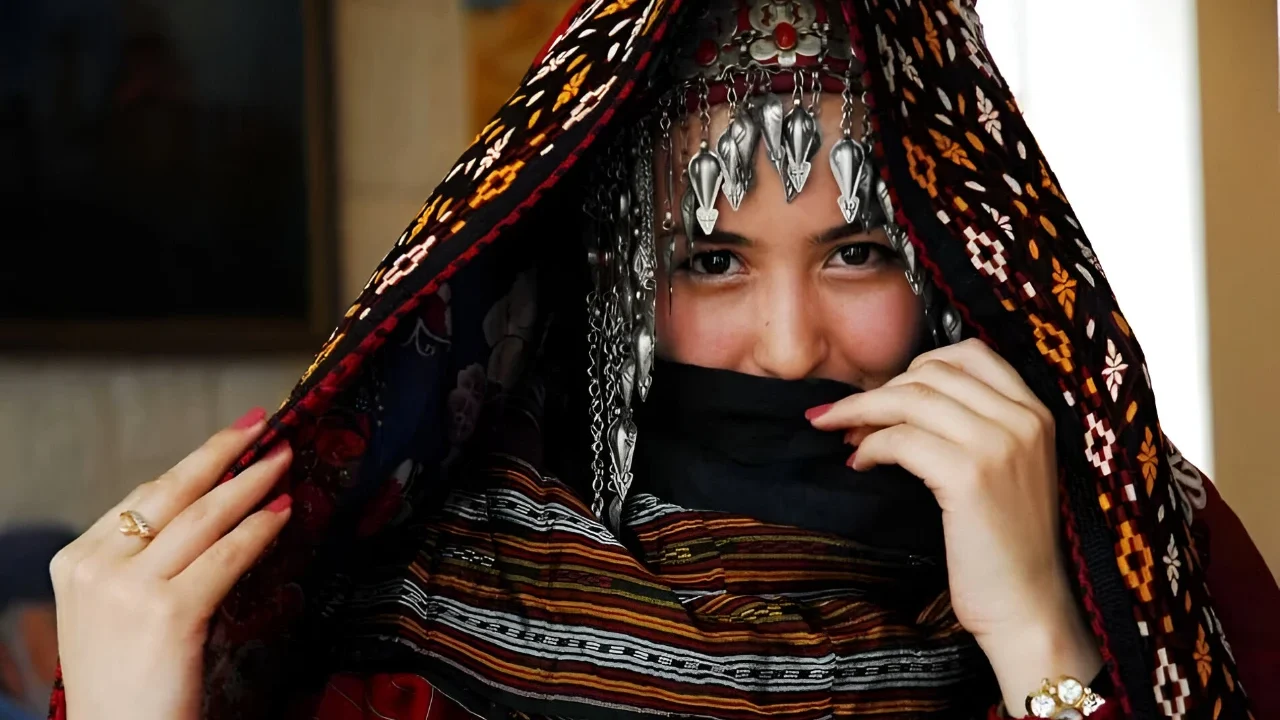
An Overview of the Turkmen People
The Iranian Turkmen represent one of Iran’s most fascinating ethnic groups, blending ancient Central Asian roots with vibrant Persian influences. Living primarily in the Turkmen Sahra region, these nomadic descendants are renowned for their exquisite Turkmen handicrafts, including intricate jewelry, woven carpets, and felt products that tell stories of resilience and artistry.
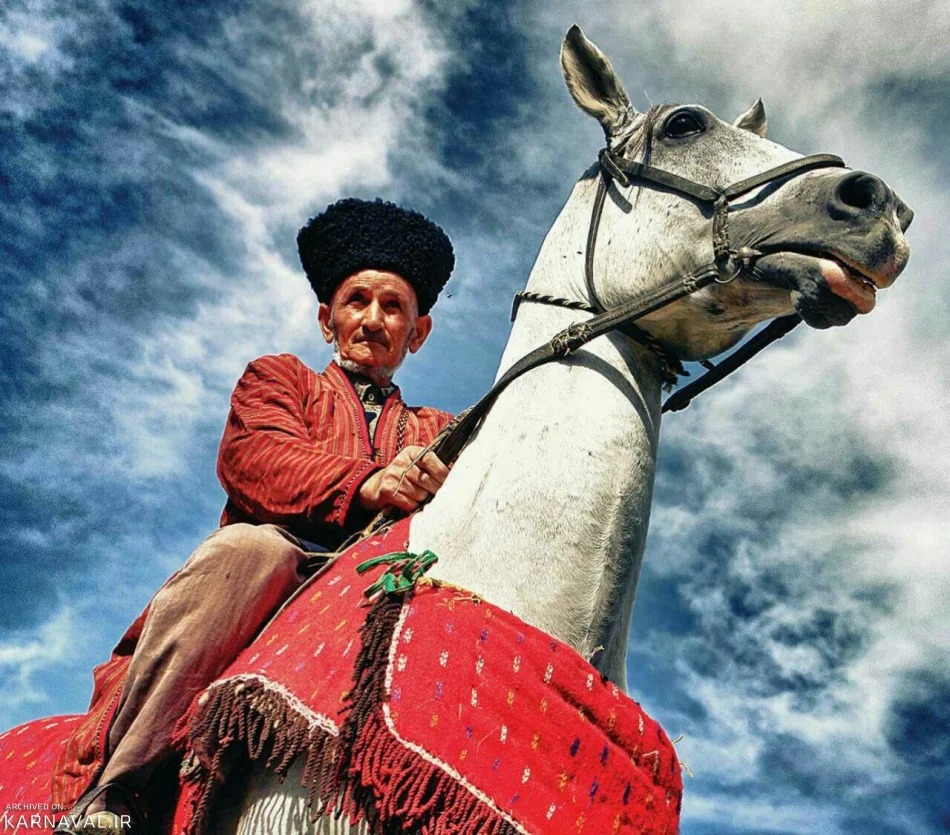
With a history dating back over 8,000 years, the Iranian Turkmen make up about 1% of Iran’s population. Their heritage connects deeply to Central Asia, and they are especially famous for breeding the majestic Akhal-Teke horse – a symbol of elegance and endurance worldwide.
Iconic Symbols of Turkmen Culture
Turkmen culture revolves around three timeless symbols:
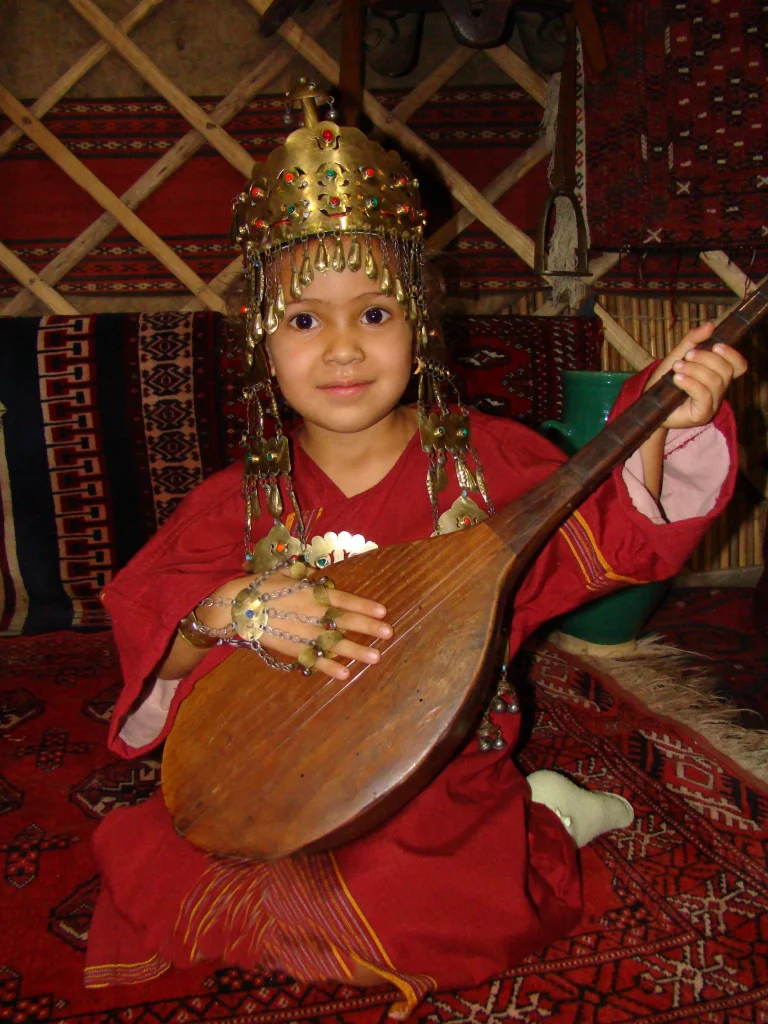
- The Dutar: A traditional string instrument used in storytelling and believed to have healing properties.
- Akhal-Teke Horses: Treasured for their beauty, strength, and role in nomadic life.
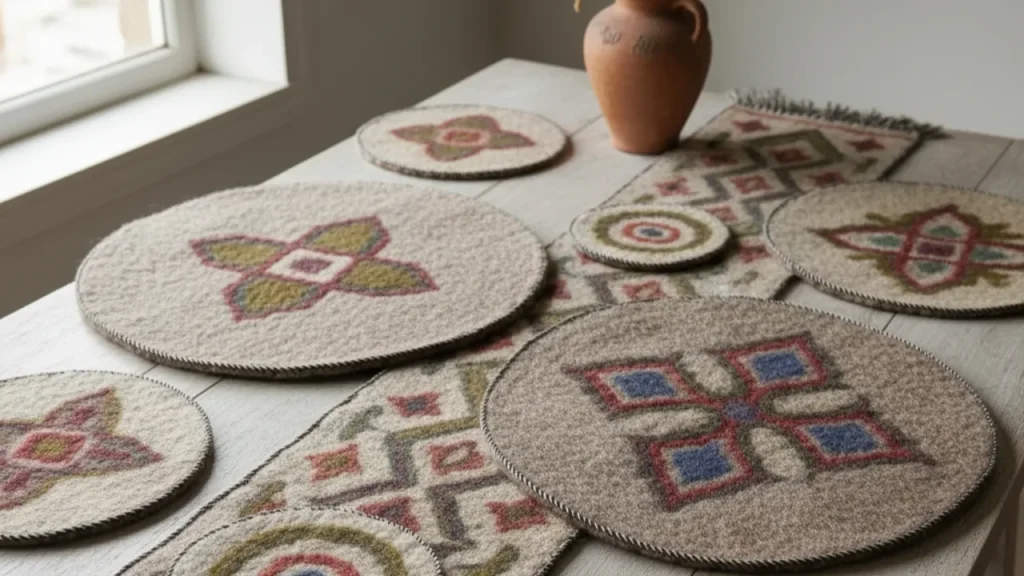
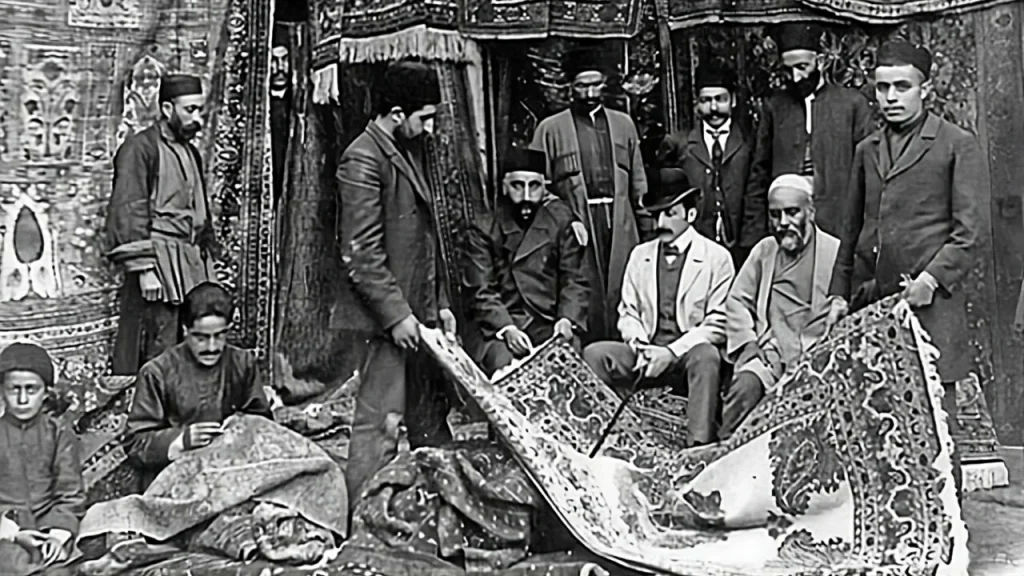
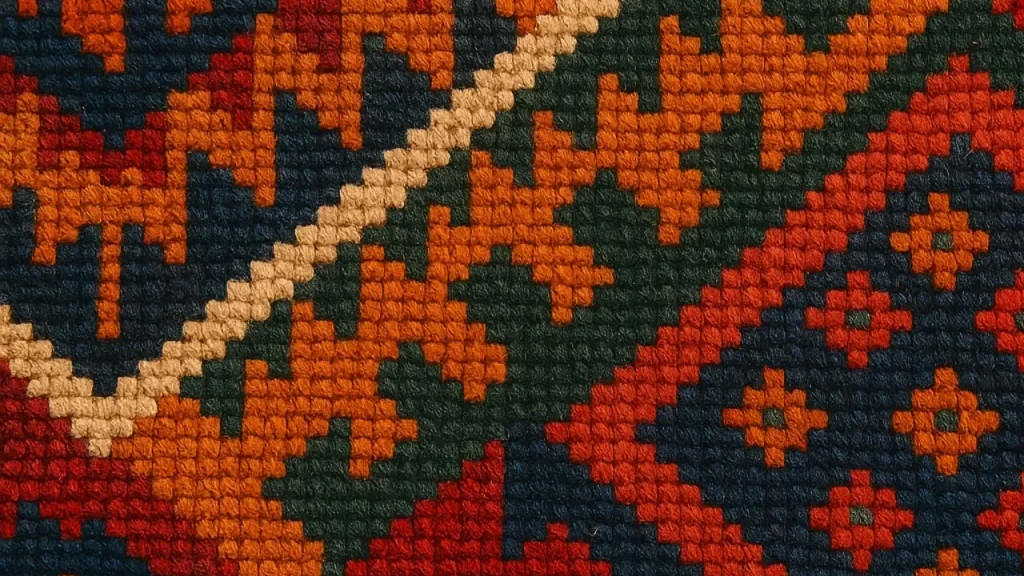
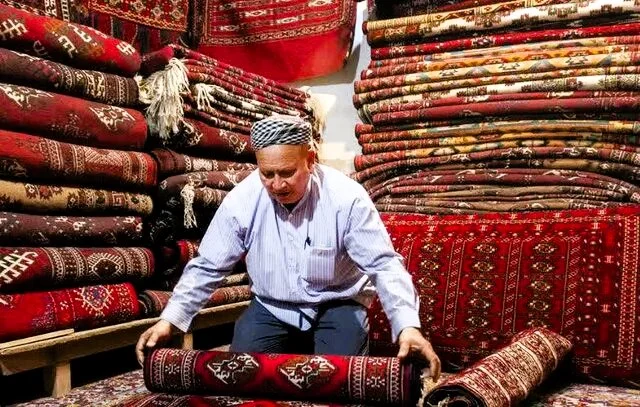
- Turkmen Carpets: World-famous masterpieces featuring geometric patterns and symbolic designs passed down through generations.
These elements highlight the deep bond Iranian Turkmen have with nature, music, and craftsmanship.
The Turkmen Sahra: Homeland of the Iranian Turkmen
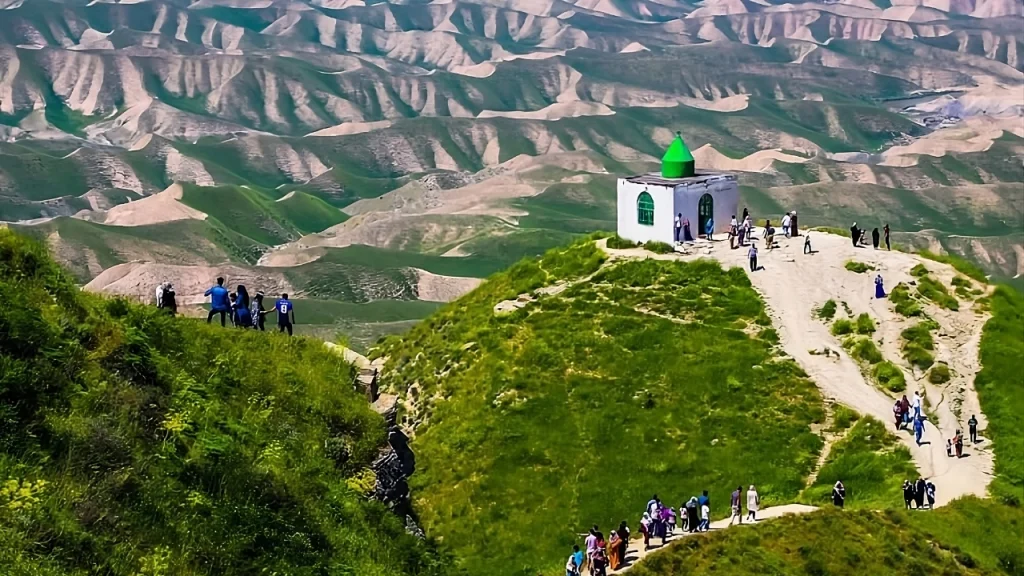
Most Iranian Turkmen reside in the southeastern Caspian plain known as Turkmen Sahra – a unique ecosystem rich in flora and fauna. This harmonious lifestyle with nature inspires much of their art and Turkmen handicrafts.
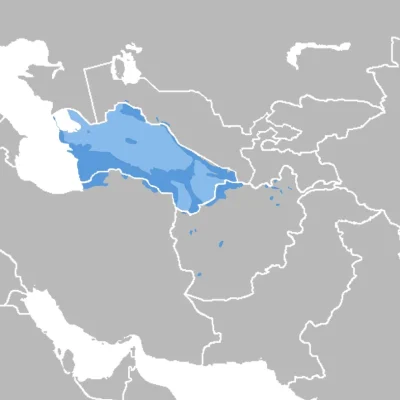
Language and Integration
The Turkmen language belongs to the Oghuz branch of Turkic languages, similar to Turkish and Azerbaijani. Many also speak Persian fluently, enriching Iran’s multicultural fabric.
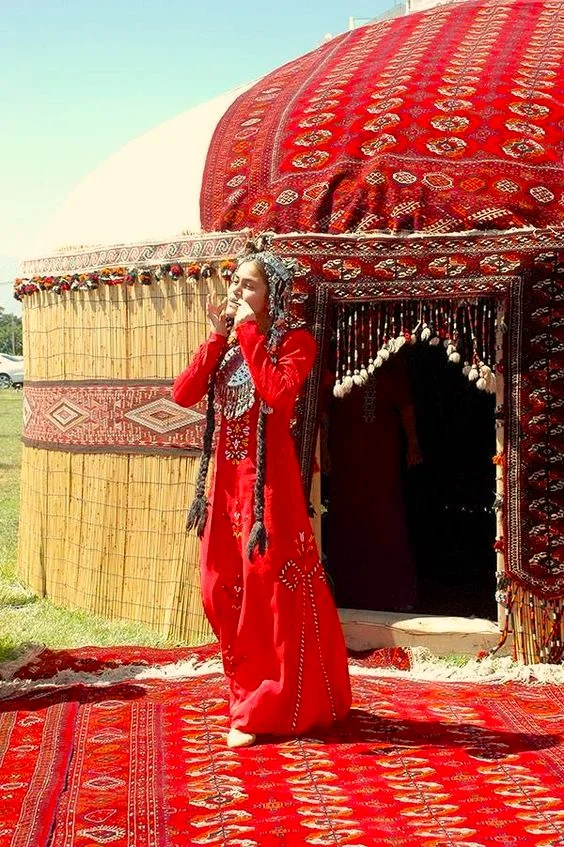
Traditional Nomadic Life: The Aghaj Oi
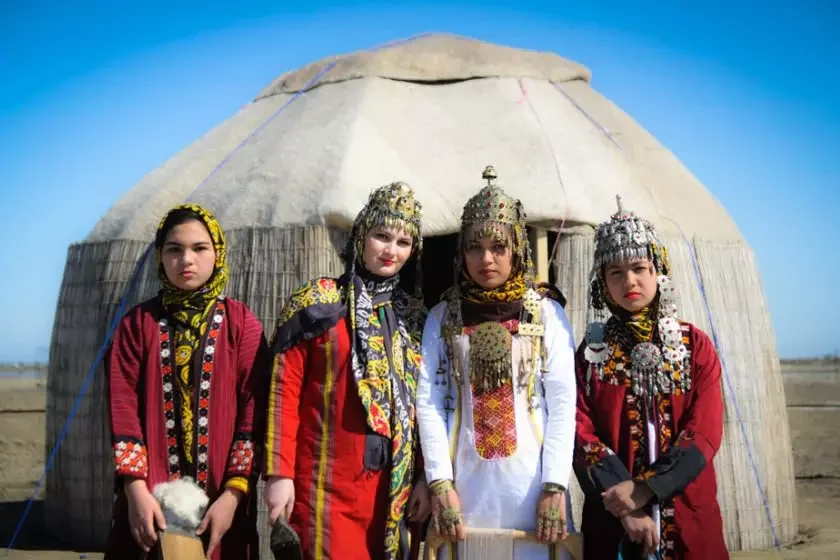
Historically, Iranian Turkmen lived in domed tents called Aghaj Oi, made from wood and wool felt. These sustainable structures perfectly suited the steppe’s harsh conditions and reflect early forms of eco-friendly design still seen in modern Turkmen handicrafts.
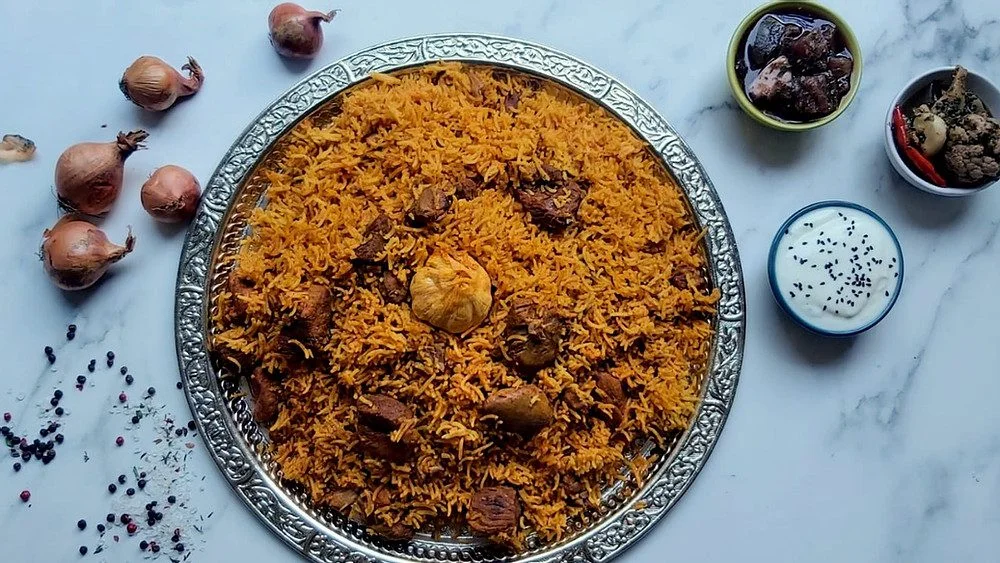
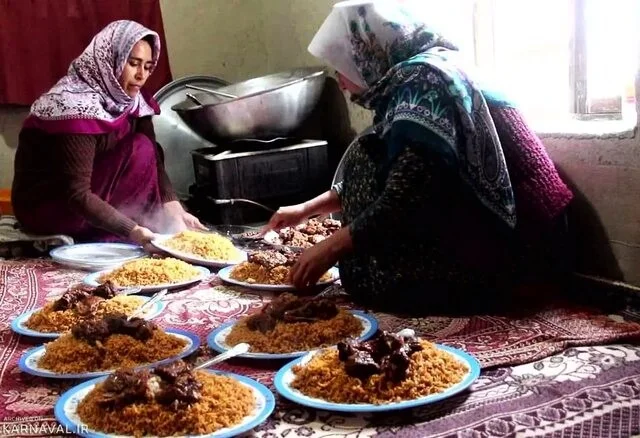
Turkmen Cuisine: Flavors of the Steppe
A classic dish is Chekdirmeh – a hearty mix of rice, meat, and vegetables that showcases resourcefulness from nomadic roots.
Traditional Clothing and Adornments
Iranian Turkmen attire is both practical and beautiful:
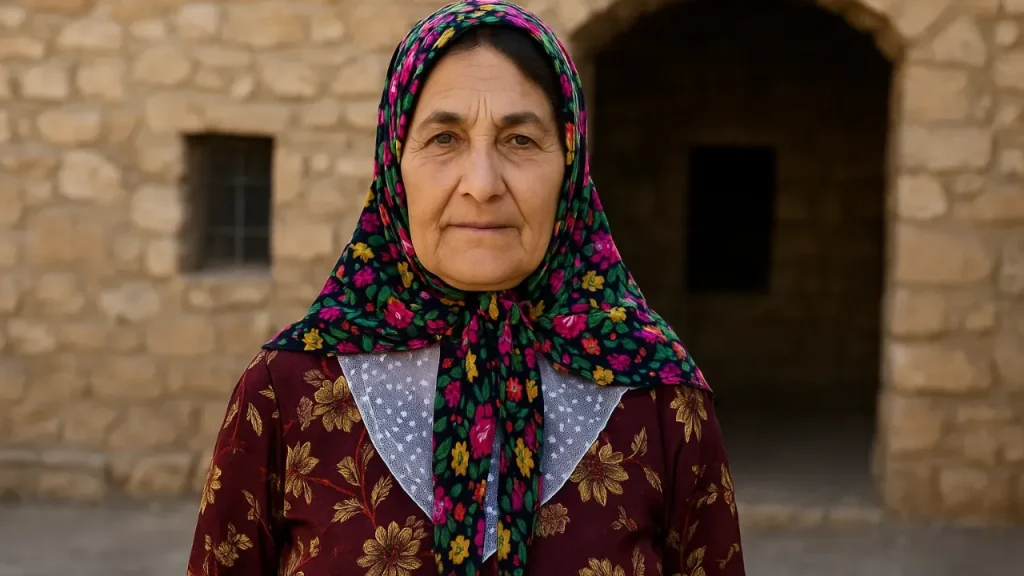
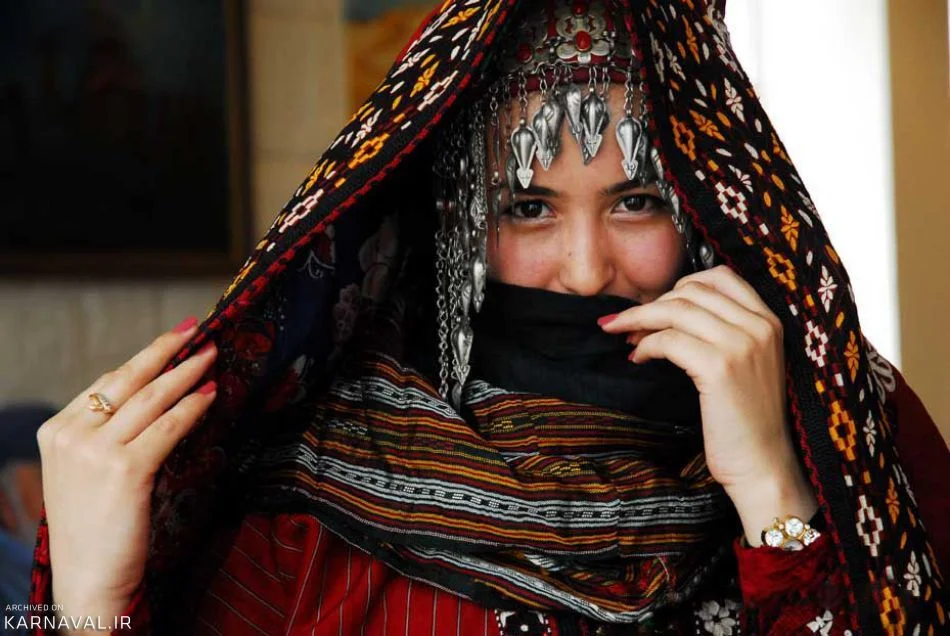
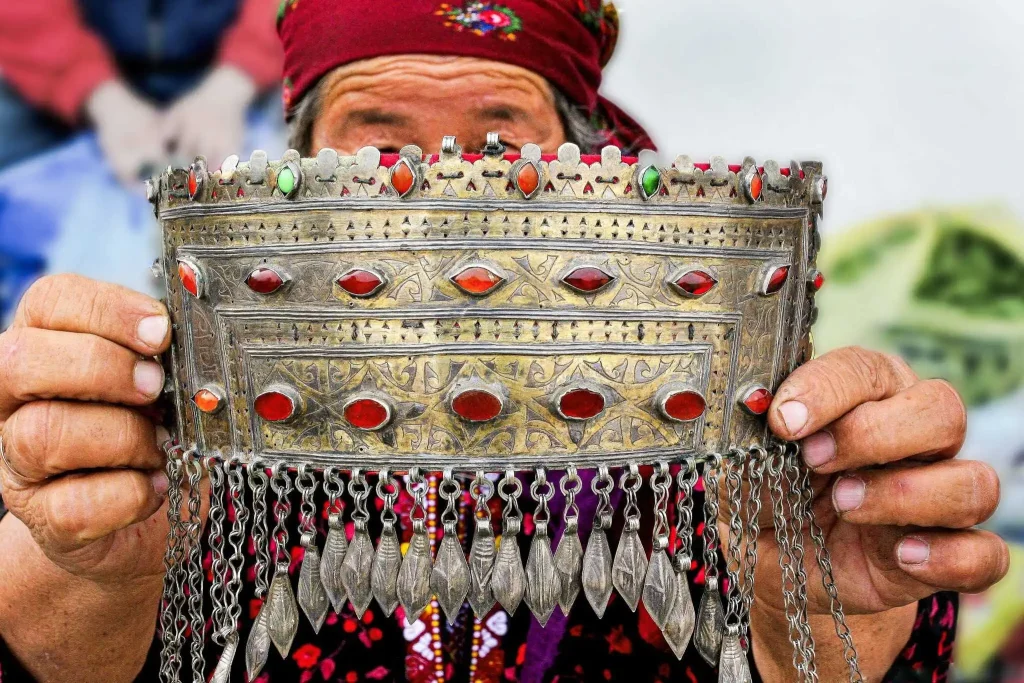
- Women’s Clothing: Long embroidered dresses, headscarves, and elaborate Turkmen jewelry symbolizing status and heritage.
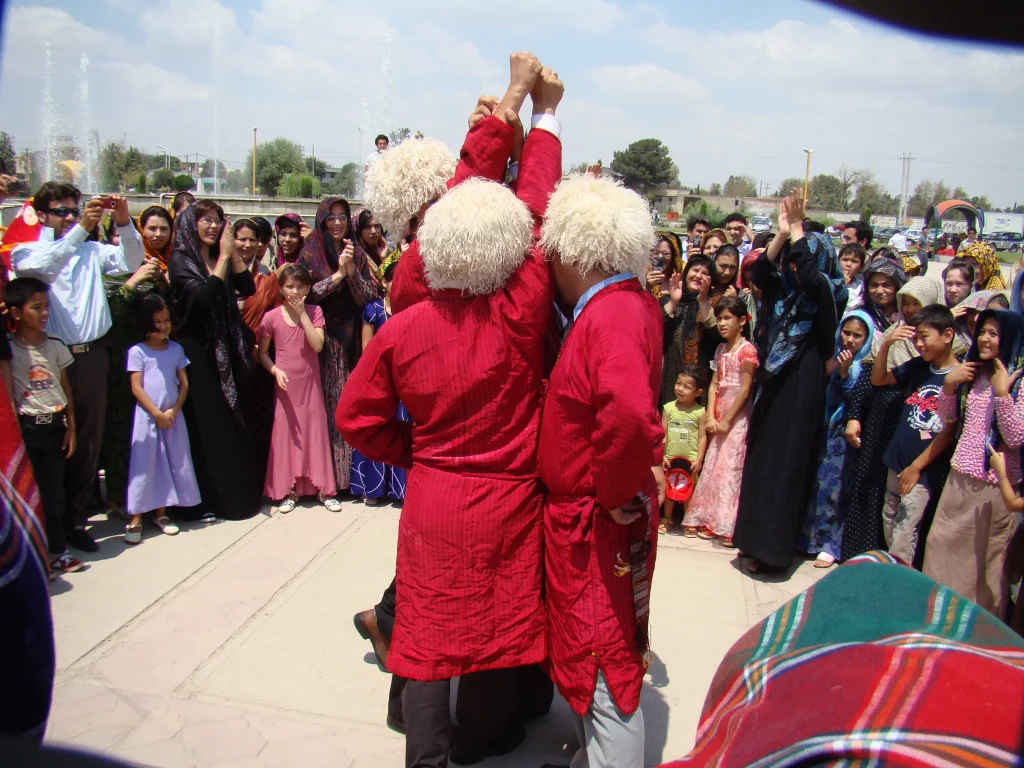
- Men’s Clothing: Wool Telpek hats and functional tunics designed for the environment.
These garments often feature hand-embroidered motifs, making them wearable art.
Turkmen Handicrafts: Timeless Artistry
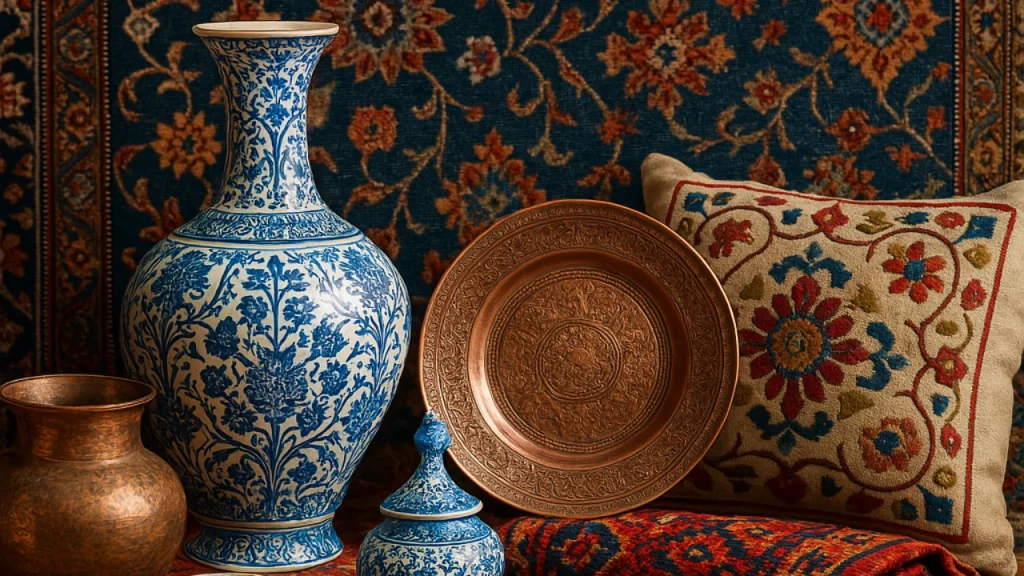
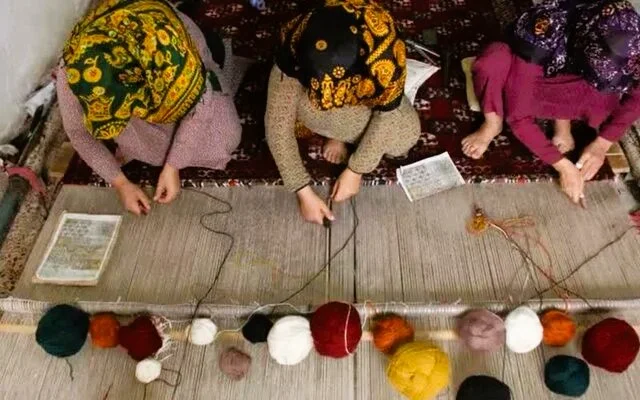
Turkmen handicrafts are celebrated globally. Artisans create stunning carpets with symbolic motifs, delicate silver Turkmen jewelry adorned with traditional stones, felt products like bags and accessories, and embroidered textiles. At Molook Art, we proudly showcase authentic pieces that preserve this cultural legacy – from one-of-a-kind necklaces to hand-woven rugs.

Music, Storytelling, and Legacy
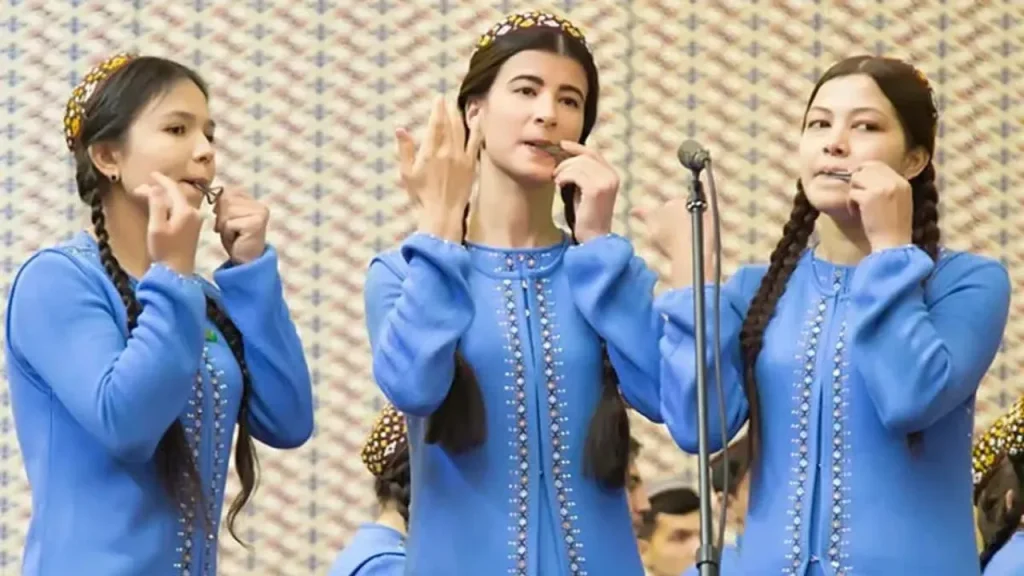
The Dutar’s melodies carry stories of the land, history, and emotions. As one saying goes: “The Turkmen are celebrated for their horses, carpets, and dutar – each symbolizing resilience, artistry, and bond with nature.”
Discover the traditional Turkmen Zanburak instrument
Exploring Iranian Turkmen culture reveals a world of enduring traditions and breathtaking handicrafts. Dive deeper into these treasures and bring home a piece of this heritage today!