Gilaki People: Culture, History & Traditions of Iran’s Caspian Coast Region

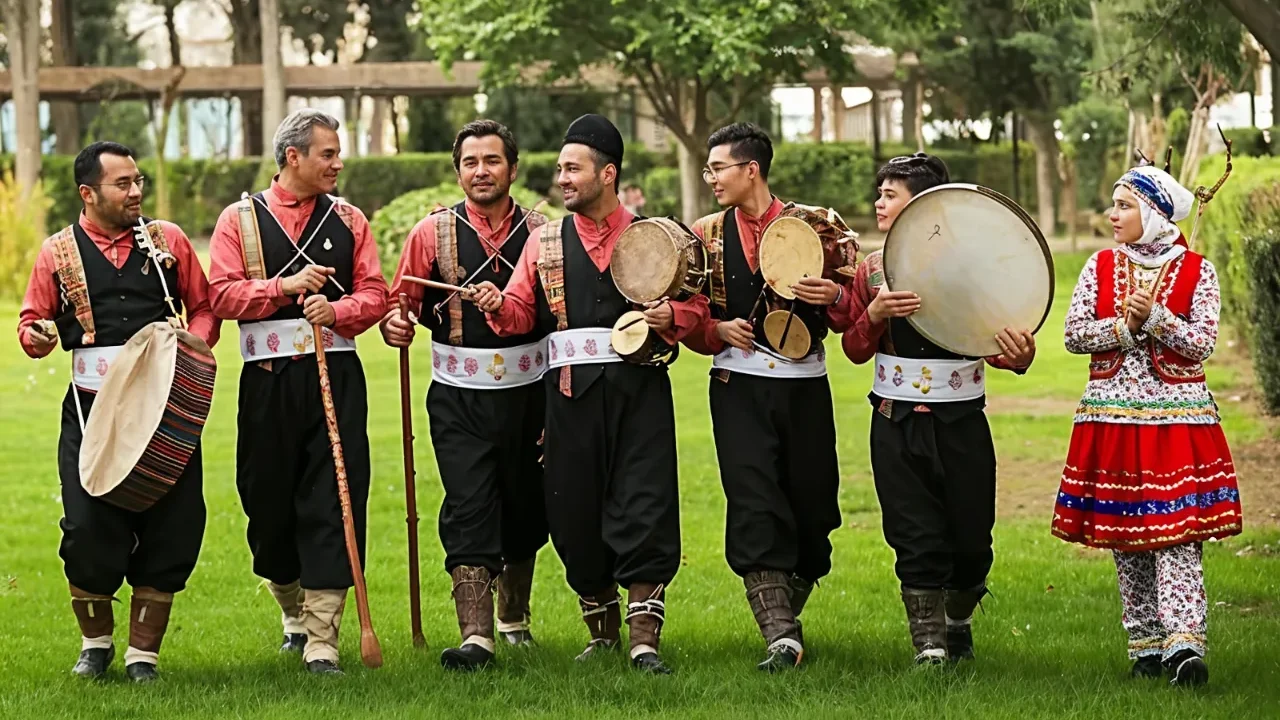
The Gilaki people are among Iran’s most distinct ethnic groups, primarily living along the southwestern shores of the Caspian Sea. Their homeland includes Gilan province and parts of western Mazandaran. With their unique language, customs, and vibrant daily life shaped by the lush northern landscape, the Gilaki community reflects a deep heritage rooted in millennia of interaction with nature and neighboring civilizations.
Who Are the Gilaki People? Historical Roots & Demographics
The Gilaki population is estimated at around 4.6 million (2021), mostly in northern Iran—from Rezvanshahr to Chaloos—and parts of Tehran and Qazvin, especially Taleghan and the Alamut Valley.
Their ancestry traces back to ancient Caspian tribes like the Cadusii and Amardi. The name “Gilan” comes from “Gil” with the Pahlavi suffix “-an,” meaning “land of flowers.”
Historically, they were categorized by lifestyle:
- Gilemard (Gil): Farmers of plains, cultivating rice, tea, and citrus.
- Kala’i: Highland farmers, growing wheat and barley.
- Galesh: Nomadic mountain herders, still found in parts of Mazandaran.
Though these divisions have faded, their cultural significance remains.


Geography and Climate: Gilan’s Landscape and Its Impact
Gilan lies between the Caspian Sea and Alborz Mountains. It has Iran’s highest rainfall, lush forests, rice paddies, and a humid subtropical climate. This diverse environment shapes local agriculture, architecture, and lifestyle.
The interplay of mountains and plains supports varied farming and livestock, reinforcing the Gilaki bond with nature.
Gilaki Language: A Core Identity
Gilaki is a Northwestern Iranian language, related to Mazandarani, Tati, and Talysh. It has three main dialects: Western, Central, and Eastern—divided by the Sefid-Rud river.
Despite Persian’s dominance in education, Gilaki remains widely spoken at home. Historical texts, such as Zaydi religious books, show its literary past. Language preservation is a source of pride.
Gilaki Lifestyle and Local Economy
Agriculture plays a central role:
- Rice farming: A dominant crop.
- Tea cultivation: Especially in Lahijan.
- Citrus orchards: Lemons, oranges, tangerines.
- Silk production: Once a major local craft.
- Fishing and caviar: Sturgeon and white fish from the Caspian Sea.
In mountain areas, herding and animal husbandry are common. Sustainable practices reflect harmony with nature.


Vernacular Architecture
Traditional homes in Gilan have slanted, colorful roofs for heavy rain, wide balconies, wooden frames, and sash windows. Bright colors reflect the region’s cheerful spirit. This architecture is both functional and expressive.
Traditions and Seasonal Rituals
Gilaki customs blend ancient roots with communal life:
- Koshti Gileh Mardi: A traditional wrestling style.
- Nowrouzkhani: Pre-New Year singing and poetry.
- Chaharshanbeh Souri: Fire festival, including scarf-lowering (Shal Andazi).
- Gishe Bareh: Name for both harvest festival and wedding procession.
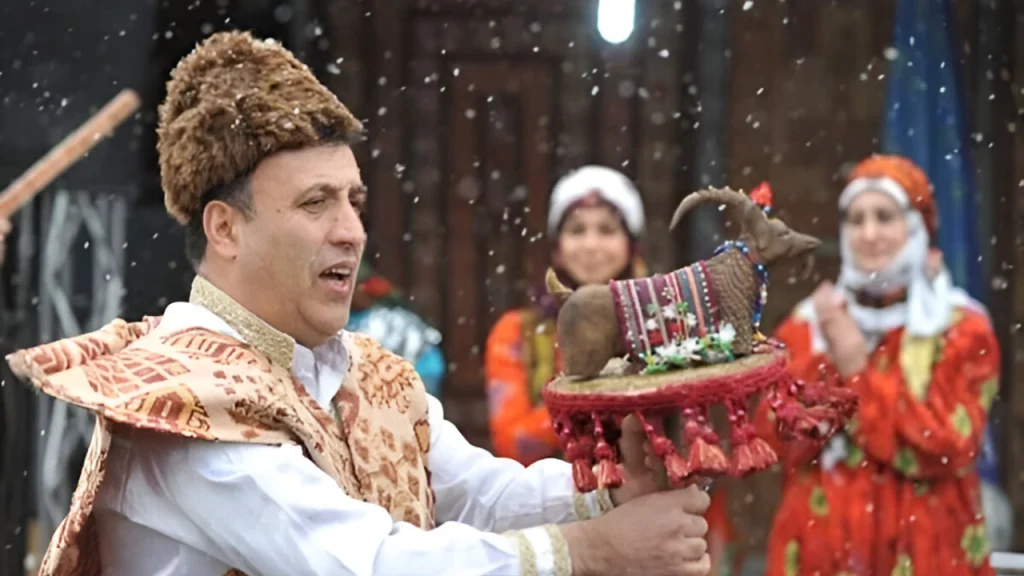
- Aroos Gooleh: Winter-to-spring ritual with masks and storytelling.
Gilaki Cuisine: A Culinary Treasure
Gilani food is one of Iran’s richest. It features fresh, local ingredients, garlic, herbs, and sour flavors. Notable dishes:
- Reshteh Khoshkar: Sweet Ramadan pastry.
- Mirza Ghasemi: Smoked eggplant, tomatoes, garlic, eggs.
- Baghali Ghatoogh: Fava beans with dill and eggs.
- Torsh Tareh: Sour herb stew.
- Anarbij: Meatballs with walnuts and pomegranate paste.
- Mahi Sefid: Caspian white fish.
- Kabab Torsh: Pomegranate-marinated kebab.
- Kal Kabab: Grilled eggplant salad with choochagh and walnuts.
- Reshteh Khoshkar: Sweet Ramadan pastry.


Traditional Clothing
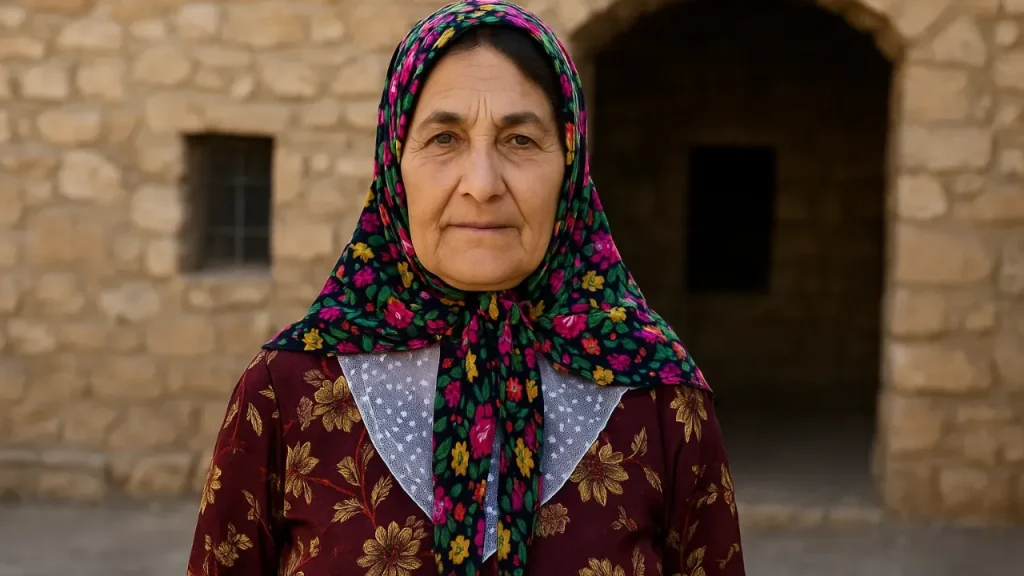
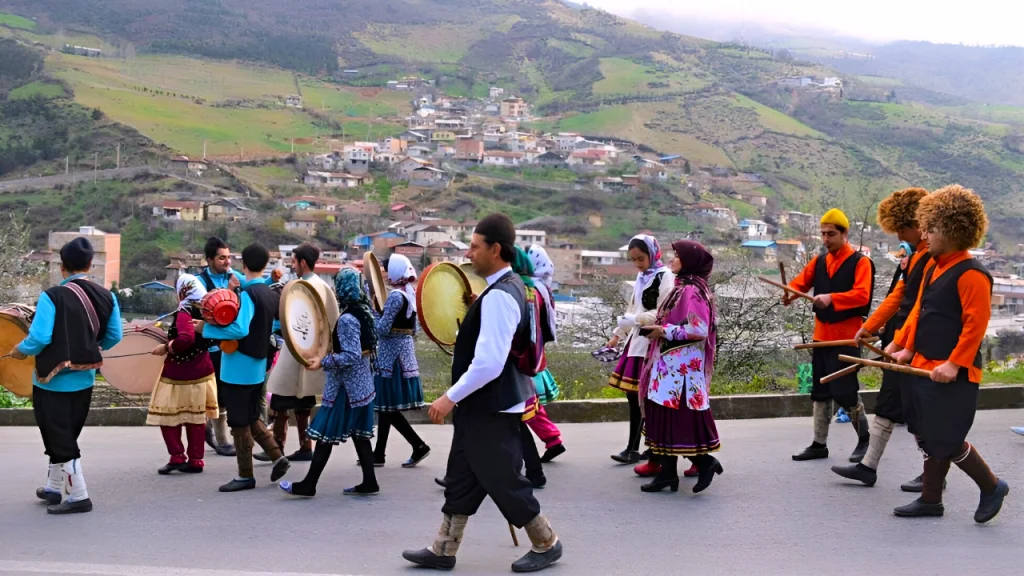
Gilaki traditional dress is colorful, functional, and symbolic, reflecting the region’s environment and the people’s cheerful spirit. These Gilan local attire pieces are an important part of Gilaki cultural clothing.
Gilaki women’s clothing typically includes:
- Pleated skirts (shaliteh) in vibrant colors.
- Bright scarves and headbands adorned with traditional patterns.
- Sequined vests and layered dresses, showcasing their artistic flair.
Gilaki men’s wear traditionally includes:
- Felt hats (kulah namadi), a distinct Gilaki traditional hat.
- Wide trousers suited for farming and movement.
- Vests and sashes.
- Footwear includes Chomush, handmade leather shoes without heels or laces, ideal for mountainous terrain.
These Gilaki traditional garments represent both daily life and cultural pride.
Gilaki Art and Performing Traditions
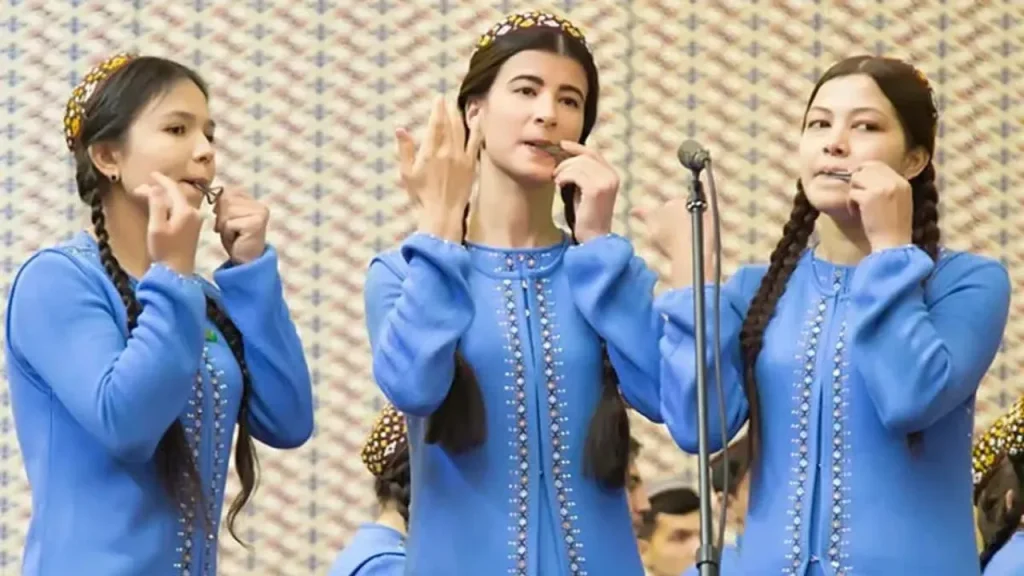
Artistic expression is a cornerstone of Gilaki identity. Traditional literature, particularly local poetry, thrives in the native language, characterized by its emotional depth and connection to the people’s lives. Music and dance play a major role in both everyday life and seasonal festivities.
Key elements of performing arts include:
- Ghasemabadi Dance: A popular traditional dance originating from eastern Gilan, performed during celebrations.
- Music genres: Include love songs, epic songs, lullabies, religious tunes, and Nowrouzkhani melodies.
- Instruments: Kamancheh, tar, santur, and naghareh are commonly used in traditional music.
Gilan cultural events such as local music and drama festivals help preserve and promote these artistic traditions, with prominent local artists like Naser Masoudi contributing to their rich legacy.


Gilaki Handicrafts: From Nature to Heritage
Handicrafts showcase Gilaki creativity and respect for the environment, often made from local, natural materials. These Gilan crafts are a testament to artistic craftsmanship. Common authentic items include:
- Hasir Bafi (mat weaving): A popular craft using local reeds like “li” and “souf” to create baskets, mats, hats, and various containers.
- Silk weaving and related crafts: Gilan has a rich 14-century history of silk production. It was once Iran’s main silk hub, vital for its economy and foreign trade. Traditional crafts like Rashti Duzi (hook embroidery with silk threads) and Chador Shab Bafi (local textiles, historically silk for the elite) are rooted in this legacy. Sadly, silk production and weaving are now near extinction, needing urgent preservation.
- Chomush Duzi (leather shoe making): Crafting the unique, heel-less Chomush footwear, also facing the threat of being lost.
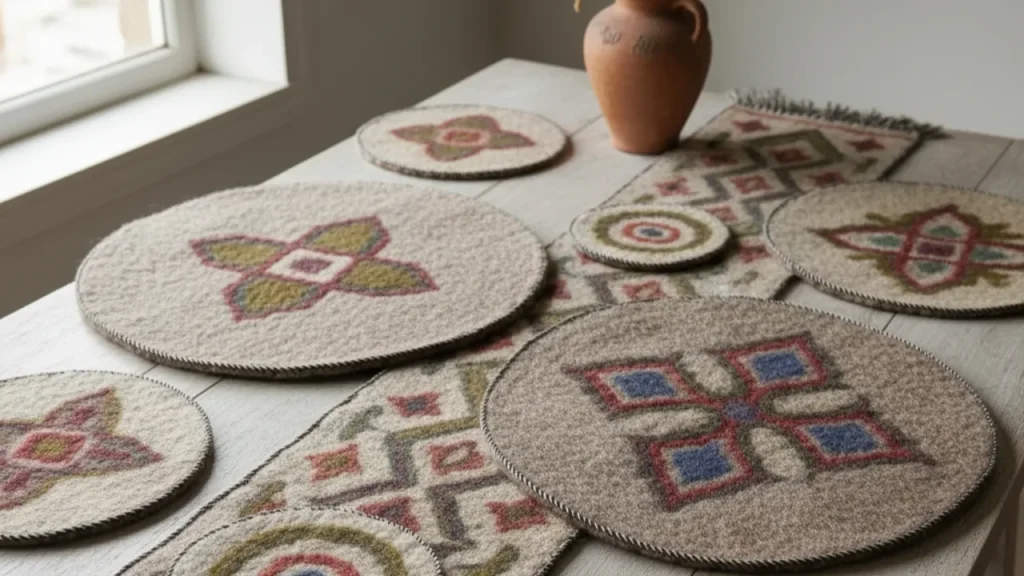
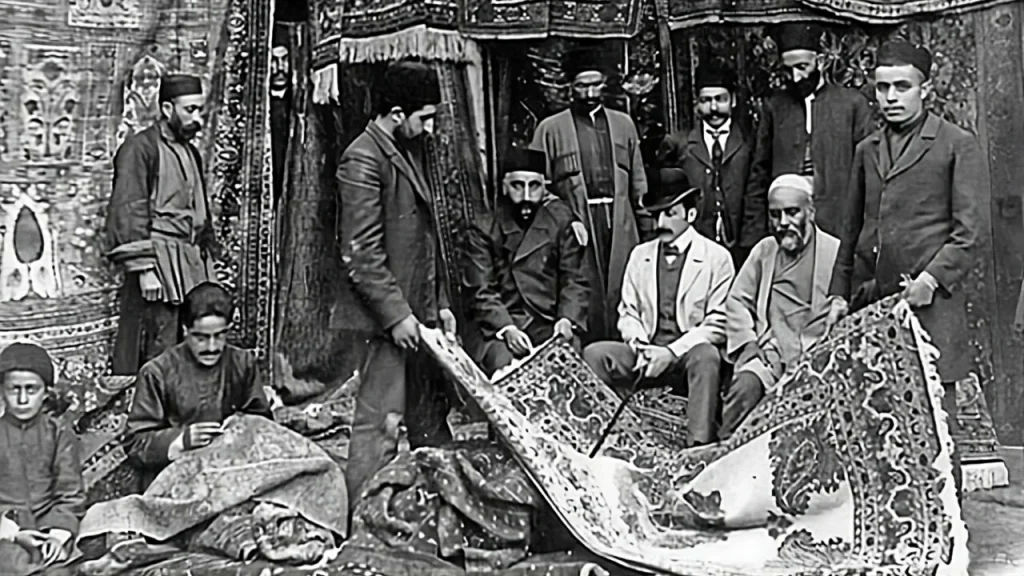
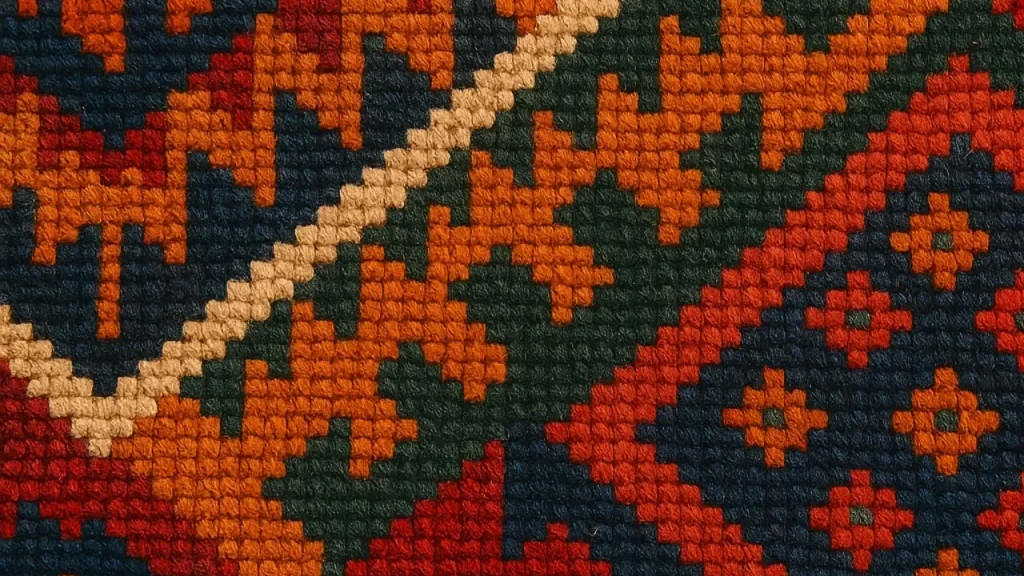
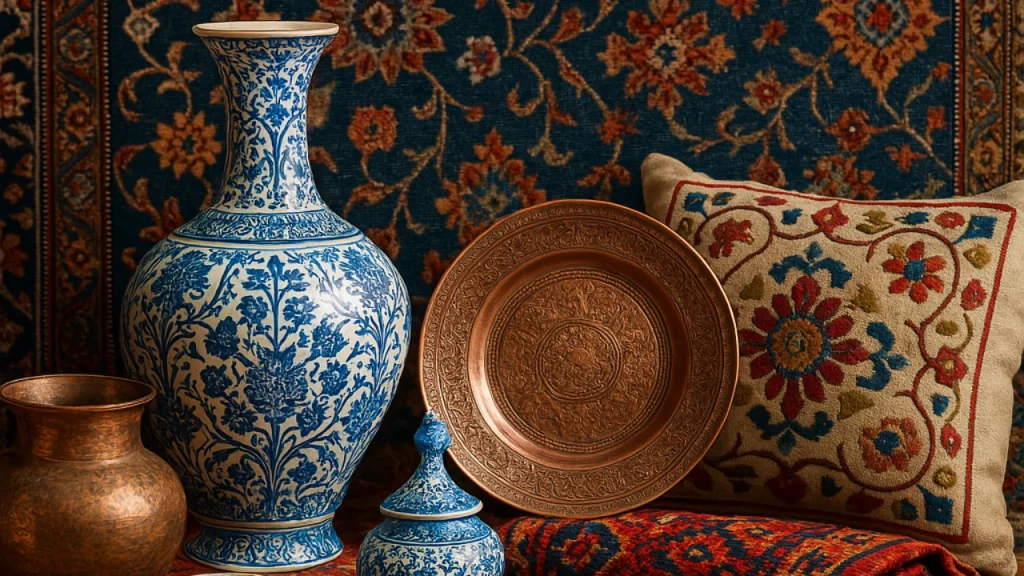
- Kilim and carpet weaving: Featuring local motifs and natural dyes.
- Pottery: With distinctive forms and decorative styles, reflecting ancient techniques.
- Felt making (Namad Mali): Used for warm, durable blankets and rugs, especially in mountainous areas.
These handmade souvenirs and craft techniques not only serve practical purposes but also reflect the soul of Gilaki culture and their connection to Gilan’s natural resources.


Final Thoughts
The Gilaki people offer a vivid example of cultural richness in Iran’s Caspian region. Through their unique language, diverse cuisine, colorful traditional clothing, ancient customs and rituals, and intricate handicrafts, their way of life represents a harmonious blend of tradition and modernity. Their deep historical roots and strong cultural identity make them a fascinating subject for anyone exploring the ethnic groups of Iran.