Persian Felt Handicrafts: Timeless Art from Nature

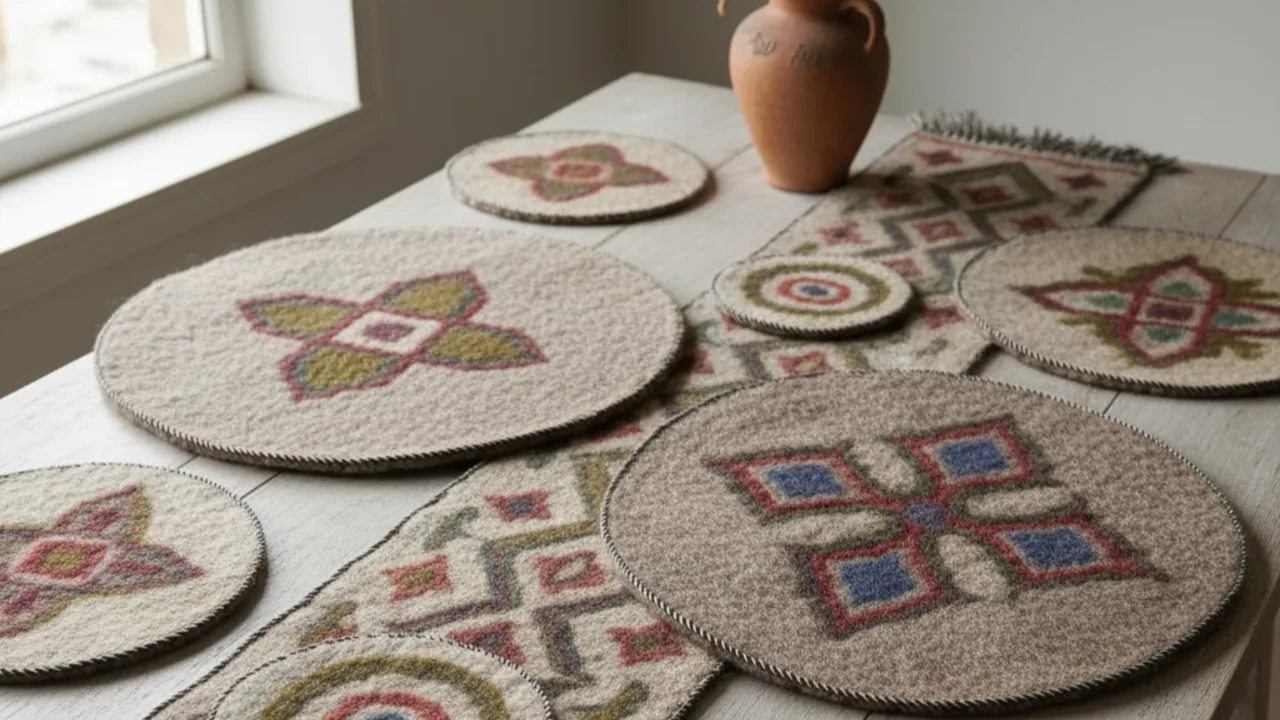
Introduction — When Nature Meets Human Hands
Persian felt handicrafts are one of the oldest and most authentic Iranian crafts, transforming natural wool into durable, warm, and symbolic fabric. Unlike woven textiles, Persian felt requires no loom or needles – only wool, water, soap, and patient hands. This ancient technique has journeyed from nomadic tents to modern homes, carrying warmth, tradition, and cultural identity.
Felt is more than fabric; it’s a living testament to harmony between humans and nature. In Iran, Persian felt handicrafts have been essential for centuries, used in nomadic life as floor coverings, slippers, tents, and today as rugs, cushions, and decorative objects.
Explore our handmade Persian felt rugs and slippers in the shop.
The History of Felt in Iran — From the Iranian Plateau to Central Asia
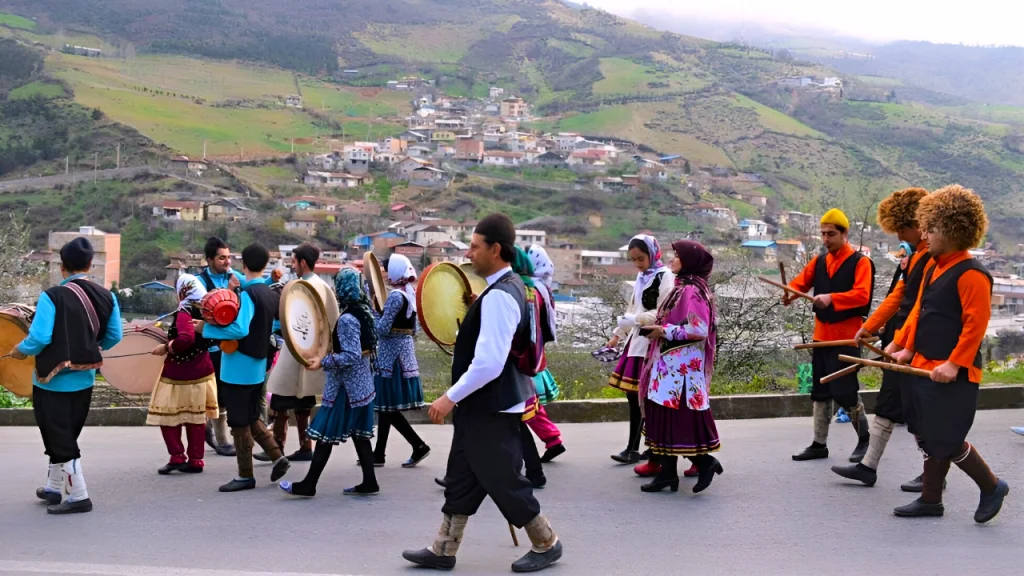
Felt-making has been an essential craft for thousands of years. In Iran, felt has always been intertwined with nomadic life. The Qashqai, Bakhtiari, Kurdish, and Turkmen tribes each developed distinct techniques and uses for felt:
- Turkmen felt: Brightly colored, patterned rugs and coverings.
- Kurdish and Luri felt: Thick, durable mats for homes and saddles.
- Qashqai and Bakhtiari felt: Simple, natural-toned mats and garments.
Felt was not merely functional; it was a symbol of identity. Every tribe infused its personality into the colors, patterns, and weaving styles, turning everyday objects into carriers of cultural meaning.
The Amazing Felt-Making Process — From Raw Wool to Living Fabric
The process of making felt is deceptively simple yet profoundly skillful. It begins with raw wool, which is washed and carded to remove impurities. The fibers are then layered, wet with warm water and natural soap, and pressed, rolled, and massaged by hand until they interlock into a dense, resilient fabric.
Key stages of the process include:
- Wool Preparation: Cleaning, combing, and sorting fibers.
- Layering: Arranging thin layers of wool, sometimes with different colors.
- Water & Soap: Wetting the wool to prepare for felting.
- Rolling & Pressing: Applying pressure and friction to bond the fibers.
- Shaping & Drying: Forming the final shape, then drying in the sun or shade.
This craft requires patience, dexterity, and an intimate understanding of the material. In many traditional workshops, no machinery is used, and the process remains entirely hand-driven, preserving the artisanal quality of each piece.
Fun fact: Some workshops still use spring water and handmade soap, believing it helps the felt “breathe” and stay lively.
Patterns and Colors — The Symbolic Language of Persian Felt
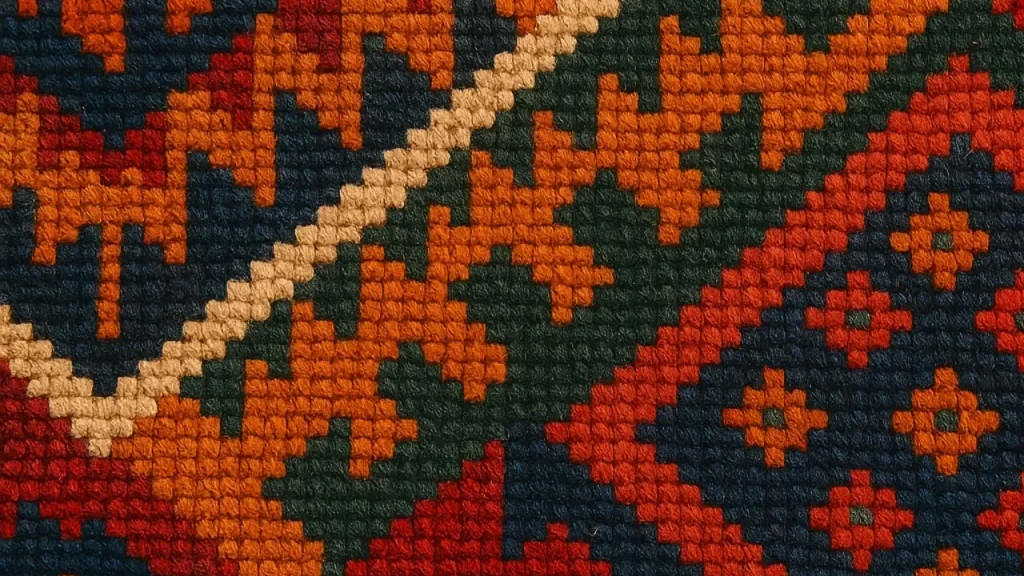
Every motif on a piece of felt tells a story. Patterns and colors are not mere decoration; they are visual language conveying tribal identity, beliefs, and daily life.
- Sun and floral patterns: Symbolize life and vitality.
- Goats or livestock motifs: Represent prosperity and protection.
- Birds: Emblems of freedom and migration.
Regional color palettes vary:
- Turkmen felt: Bold reds and blacks, geometric, repetitive motifs.
- Kurdish & Luri felt: Earthy tones like clay, brown, and green.
- Qashqai & Bakhtiari felt: Subtle blends, often inspired by desert and pasture landscapes.
Modern artisans often blend these traditional motifs into contemporary designs, producing rugs, slippers, and decorative items that carry the essence of Persian felt into modern homes.
Shop our Qashqai-inspired felt rugs for your home link
Felt in Modern Homes — Blending Tradition with Contemporary Design
Persian felt has found a new life in modern interior design. It provides warmth, texture, and authenticity to minimalist or eco-conscious spaces.
Common applications today include:
- Felt rugs: Soft, insulating, and visually striking floor coverings.
- Felt slippers: Lightweight, warm, and breathable footwear.
- Cushions & coasters: Small accents that bring color and texture into interiors.
- Decorative baskets & wall hangings: Functional art pieces.
The natural wool offers insulation, sound absorption, and hypoallergenic benefits, making it not only beautiful but practical.
For those seeking a meaningful gift, a handmade Persian felt rug or slippers combines cultural heritage, warmth, and eco-conscious living.
Choosing and Caring for Felt Products
Selecting high-quality felt ensures longevity and beauty. Here’s how to differentiate:
|
Feature |
Handmade Felt |
Machine-Made Felt |
|
Material |
Natural wool |
Synthetic fibers |
|
Texture |
Dense, unique |
Uniform, less character |
|
Durability |
High, with care |
Moderate |
|
Artistic Value |
Each piece unique |
Mass-produced |
Care tips:
- Wash gently with cold water and mild soap.
- Air-dry flat, avoiding direct sunlight.
- Do not machine wash or tumble dry.
Unique Properties of Natural Sheep Wool Felt
Persian traditional felt, made from 100% natural sheep wool, is not only an artistic product but also has unique properties that make it ideal for everyday life. Below, the properties are grouped by scientifically supported benefits, traditional beliefs in Iranian nomadic cultures, and spiritual claims in traditional folklore:
✅ Scientifically Supported Properties
- Moisture absorption without leakage: Felt can absorb up to 30% of its weight in moisture without feeling wet, making it an excellent insulator against cold and humidity.
- Body warming: Its warm, dry nature keeps the body cozy and acts as natural thermal insulation.
- Improves blood circulation during sleep: Natural warmth helps improve circulation and relieve muscle tension.
- Prevents foot odor: Felt insoles and slippers absorb moisture, preventing sweat and odor.
- Temperature regulation: Felt keeps you warm in winter and cool in summer.
- Air purification & hypoallergenic: Felt traps dust and static electricity, helping clean the air and suitable for sensitive individuals.
- Antibacterial & moisture-wicking: Wool fibers create an environment unfavorable for microbes and wick away excess moisture.
🛖 Traditional Beliefs in Iranian Nomadic Cultures
- Reduces back, rheumatism, and joint pain: Felt warmth is believed to enhance blood flow and relieve muscular and joint pain.
- Foot care: Softens skin and helps prevent cracks and corns.
- Assists in wound healing: Traditionally used as a natural dressing to promote faster healing.
- Static electricity & blood thinning: Felt absorbs static electricity, and some traditions claim it helps thin blood and reduce headaches.
✨ Spiritual Claims in Traditional Folklore
- Balances body’s magnetic poles: Felt is believed to harmonize the body’s energy and promote relaxation.
- Influence of felt patterns on chakras: Decorative patterns are thought to positively affect body energy centers and enhance well-being.
- Maintains positive and negative energy balance: Felt is considered to support overall energy equilibrium in the body.
“Experience the unique benefits of natural Persian felt — explore our collection !”
The Living Art of Persian Felt
Felt is more than a textile. It carries the story of human connection with nature, weaving together history, culture, and craftsmanship. From nomadic tents to modern homes, Persian felt continues to warm spaces and hearts alike.
Every piece, whether a rug, slipper, or decorative item, embodies centuries of skill, patience, and aesthetic sensibility. By incorporating felt into contemporary life, we honor the enduring legacy of Iranian artisans.
FAQ
- What is felt made of?
Felt is made from natural wool fibers that are bonded together using water, soap, and pressure. - Is natural felt hypoallergenic?
Yes, natural wool fibers are breathable and resist dust accumulation, making them suitable for sensitive individuals. - How can I tell handmade from machine-made felt?
Handmade felt is thicker, denser, and unique in texture, while machine-made felt is uniform and less durable. - How do I care for felt slippers?
Hand wash with cold water and mild soap, then air dry flat away from sunlight. - Can felt products be washed?
Yes, but avoid machine washing or harsh detergents to preserve texture and shape.
References
- Felt in Ancient Iran – Iranica Online: https://www.iranicaonline.org/articles/felt
- Kurdish Rugs and Felt – Britannica: https://www.britannica.com/art/Kurdish-rug
- Handicrafts of Chaharmahal and Bakhtiari – Tehran Times: https://www.tehrantimes.com/news/464003/Iranian-handicrafts-Khorjins-of-Chaharmahal-Bakhtiari