Ethnic Diversity in Iran: A Rich Tapestry of Cultures & Handicrafts


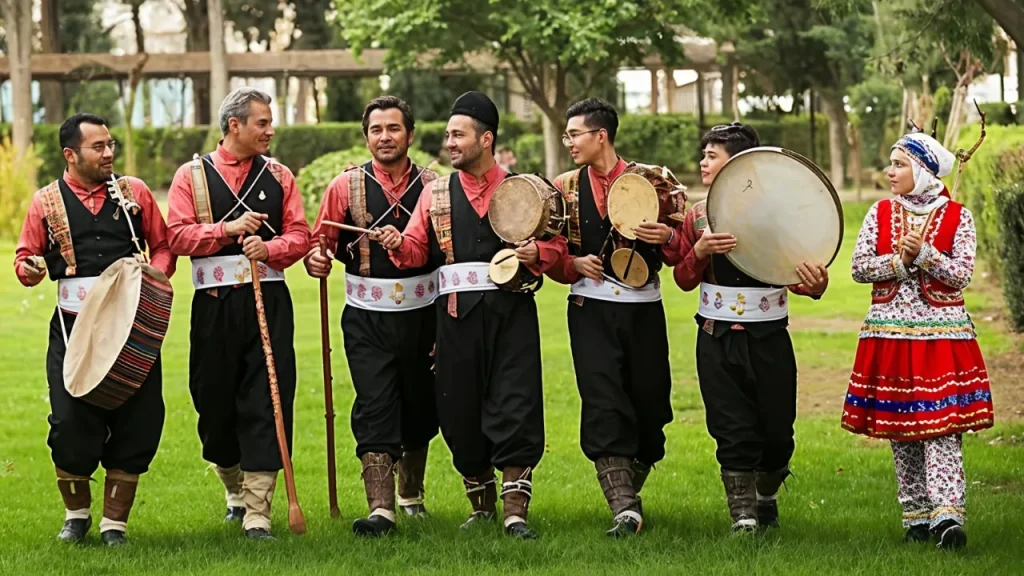
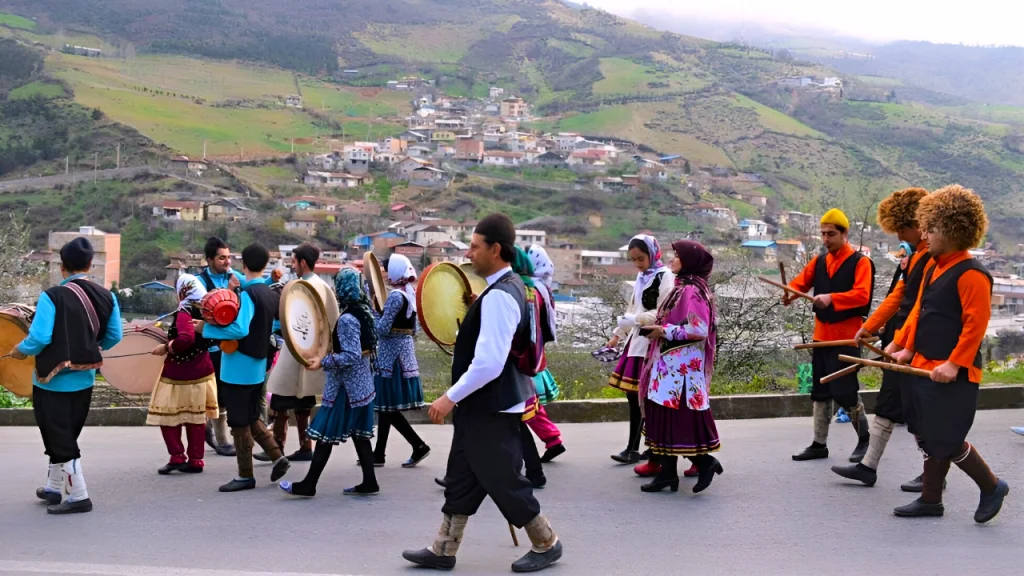
Ethnic diversity in Iran is one of the country’s greatest treasures, weaving together ancient histories, diverse languages, and vibrant traditions into a unified national identity. Home to numerous Iranian ethnic groups, Iran showcases a cultural mosaic where Persians, Azeris, Kurds, Lurs, Turkmens, Arabs, Baluch, and smaller communities coexist harmoniously, each contributing unique Persian handicrafts and customs that enrich the nation’s heritage.
Exploring Iran’s Diverse Ethnic Groups and Cultural Legacy
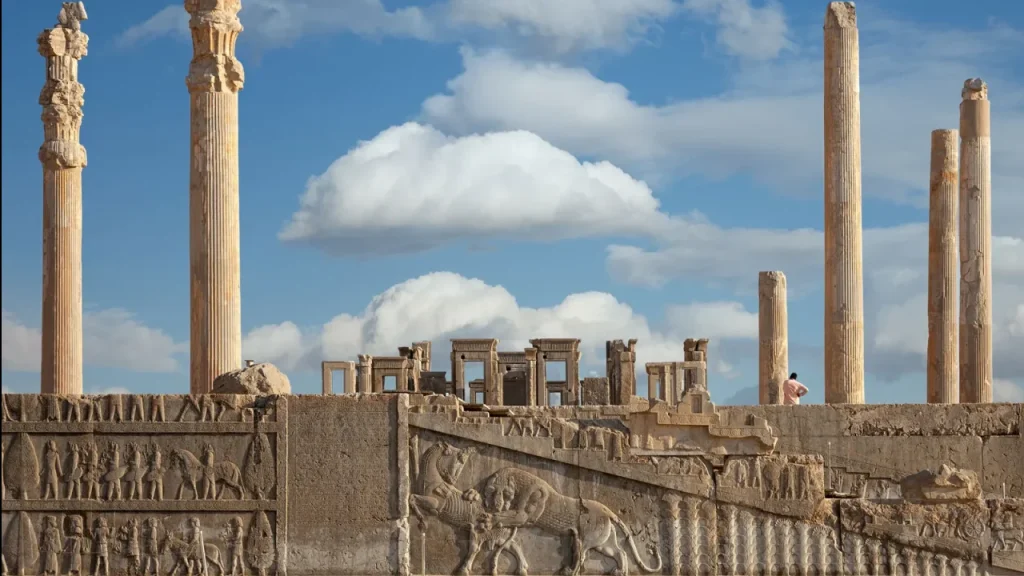
Iran, a country rich in history and geographic diversity, is home to a mosaic of ethnic groups that contribute to its cultural and social identity. From the northern mountains to the southern deserts, the land is a canvas for traditions, languages, and customs deeply rooted in the environment – all highlighting the beauty of ethnic diversity in Iran.
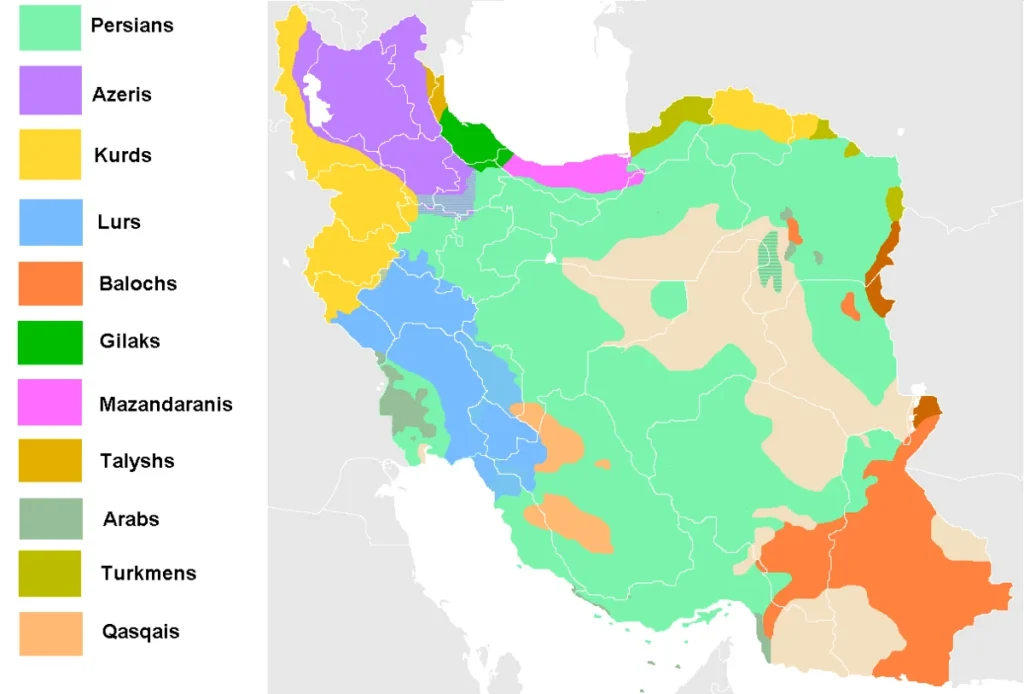
Iran’s Ethnic Breakdown: Unity in Diversity
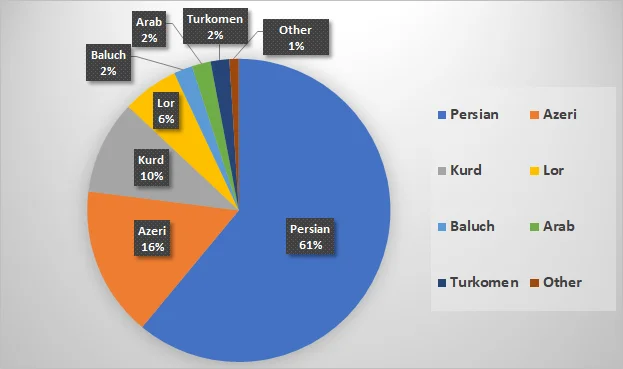
Iranian ethnic groups, including Persians, Azeris, Kurds, and many others, share a common Iranian identity despite their cultural differences. These communities have maintained peaceful relations throughout history, contributing to Iran’s unity. Key groups include:
- Persians (~61%)
- Azeris (~16%)
- Kurds (~10%)
- Lurs (~6%)
- Smaller communities like Baluch, Arabs, Turkmens, and others
Despite this cultural diversity in Iran, there is no single ethnic majority – instead, a shared national identity grounded in the Persian language and heritage thrives.
Persians: The Heart of Iranian Culture
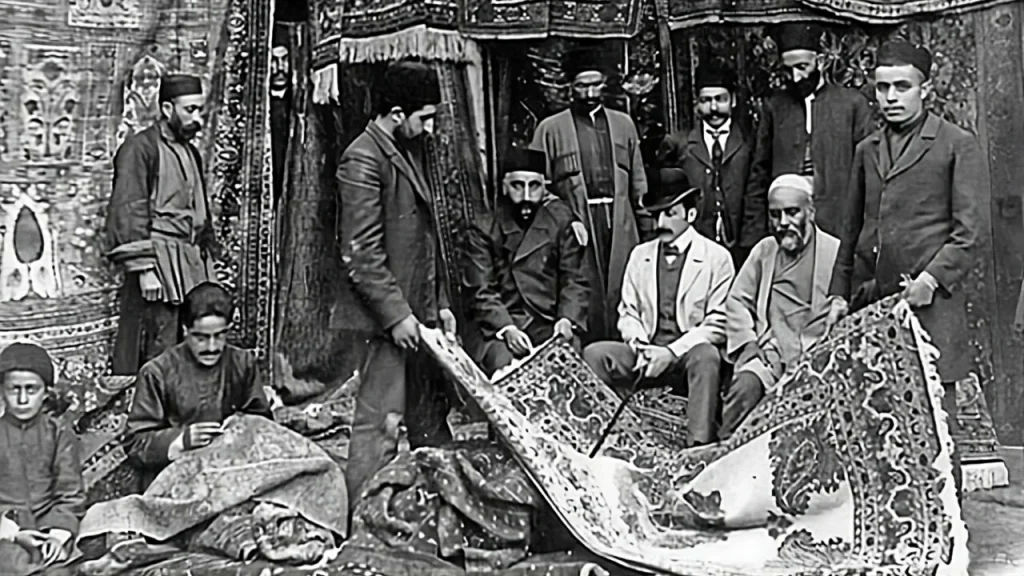
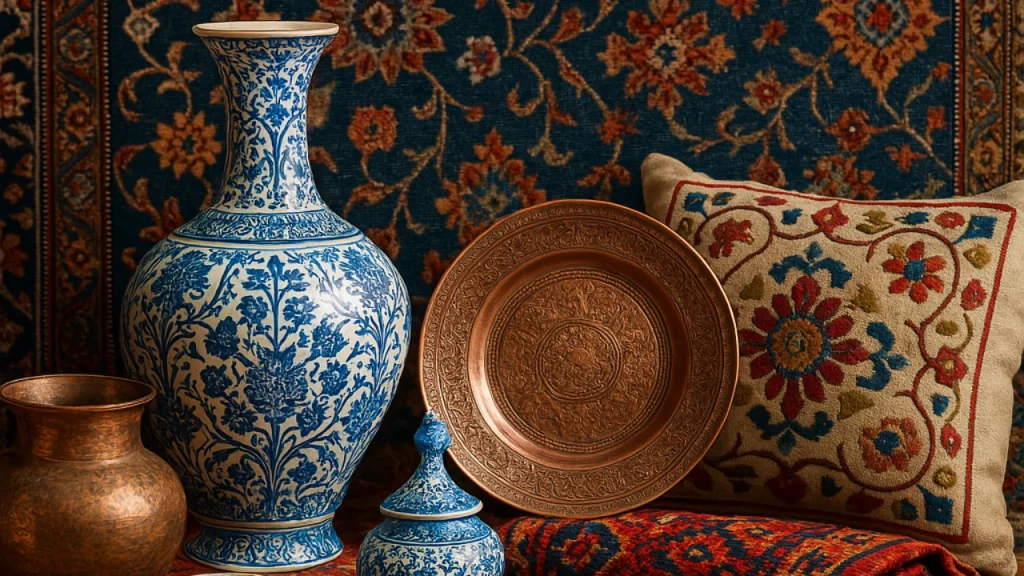
As the largest group, Persians form the core of ethnic diversity in Iran. Their influence on literature, poetry (think Hafez and Rumi), and arts has shaped global Persian culture. Persian handicrafts like miniature painting, enamel work, and intricate carpets remain iconic symbols of elegance.
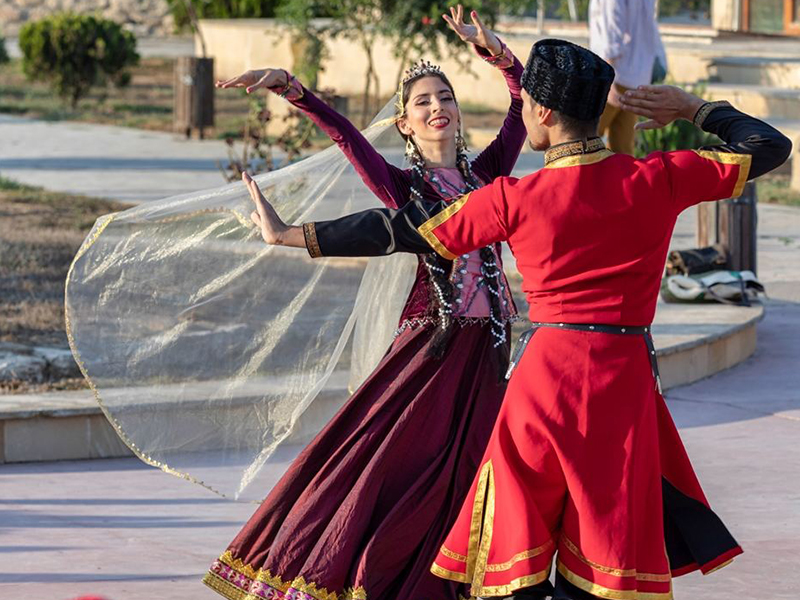
Azeris: Iran’s Largest Turkic Community
Azeris make up around 16% of Iran’s population and are the largest Turkic ethnic group in the country. They primarily live in the northwest, especially in East Azerbaijan, West Azerbaijan, and Ardabil provinces. Azeris speak Azerbaijani, a Turkic language similar to Turkish. With a blend of Persian and Turkic influences, they enrich ethnic diversity in Iran.
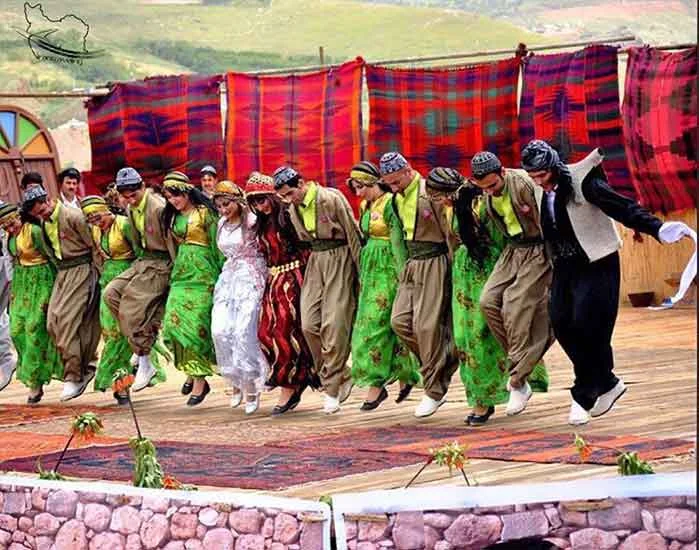
Kurds: Resilient Culture in Western Iran
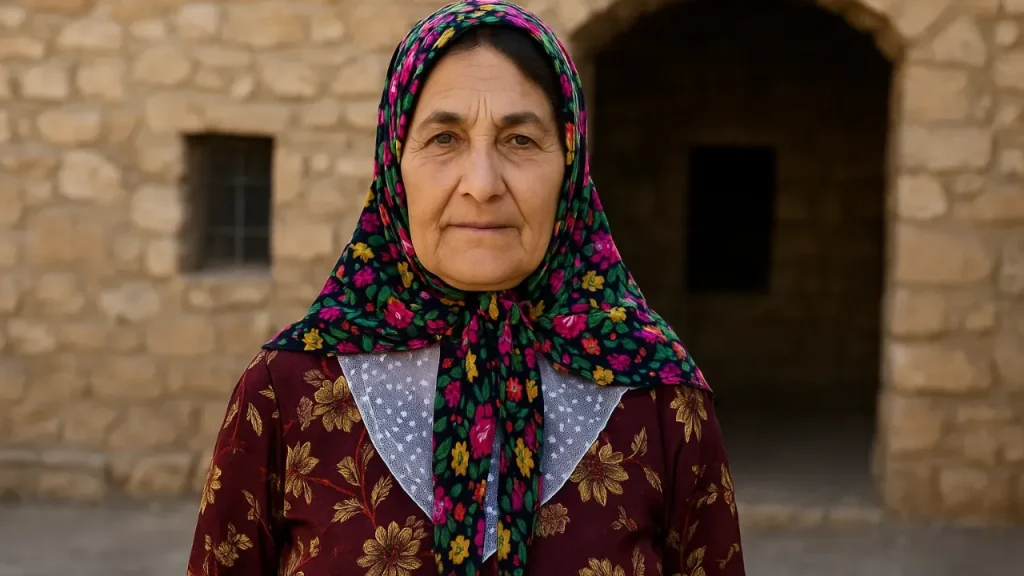
Kurds make up about 10% of Iran’s population, primarily residing in the western provinces of Kurdistan, Kermanshah, and Ilam. They speak Kurdish and have distinct traditions, including vibrant attire and crafts that reflect their deep connection to the land.
Lurs: A Rich Cultural Legacy of Iran’s West
Lurs, who make up about 6% of Iran’s population, primarily live in the western and southwestern provinces such as Lorestan, Khuzestan, and Fars. They speak Luri, a language close to Persian, and have a strong heritage in music, dance, and nomadic-inspired handicrafts. Lurs have a history of nomadism, with a deep connection to nature and the land.
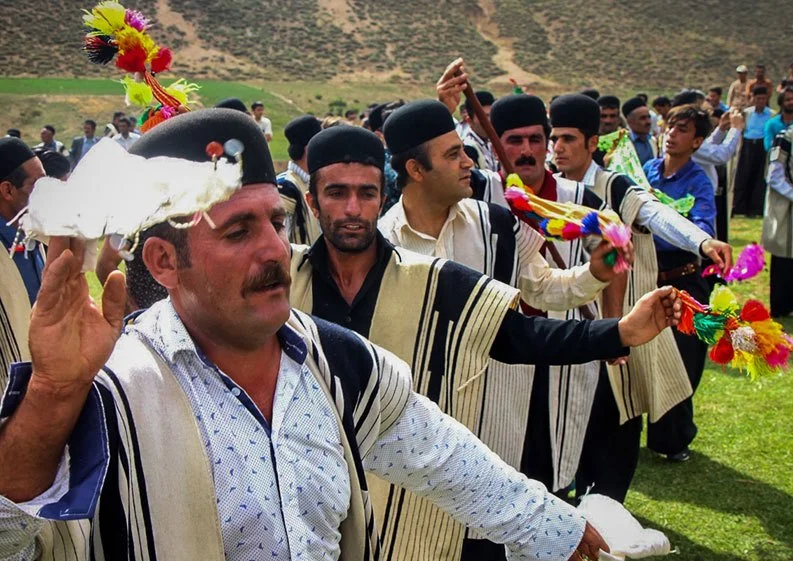
Turkmens: A Nomadic Heritage in Northeastern Iran
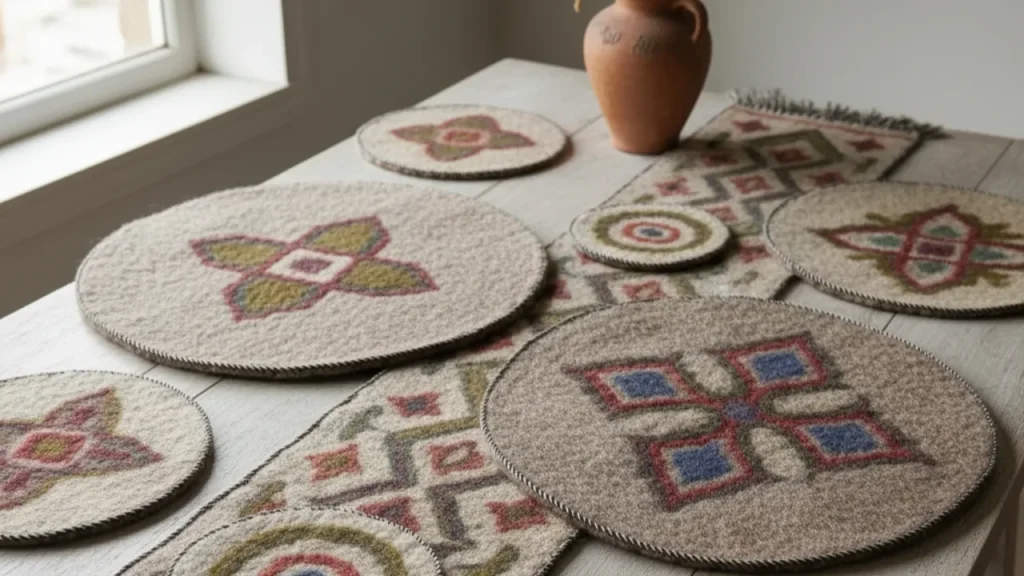
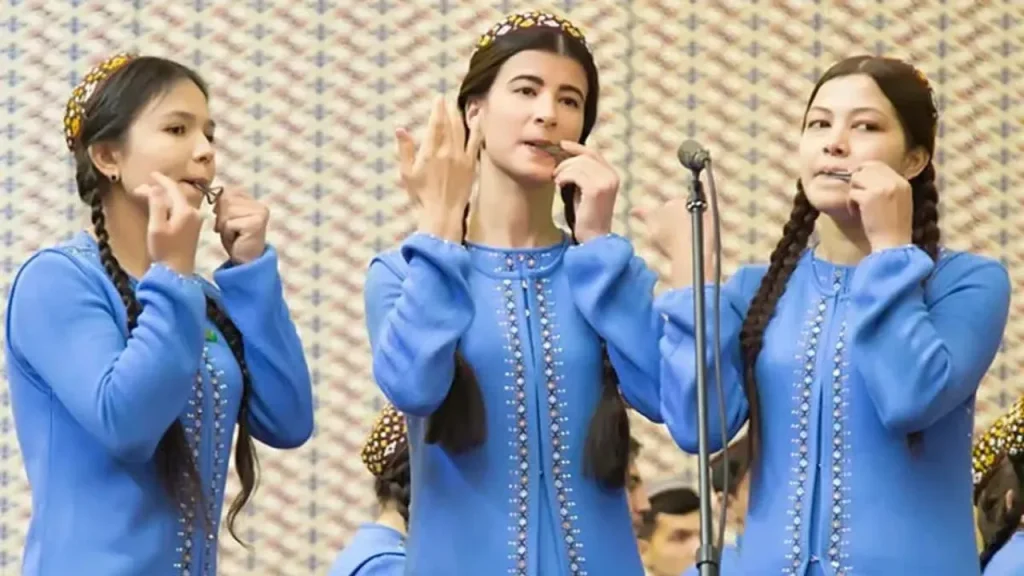
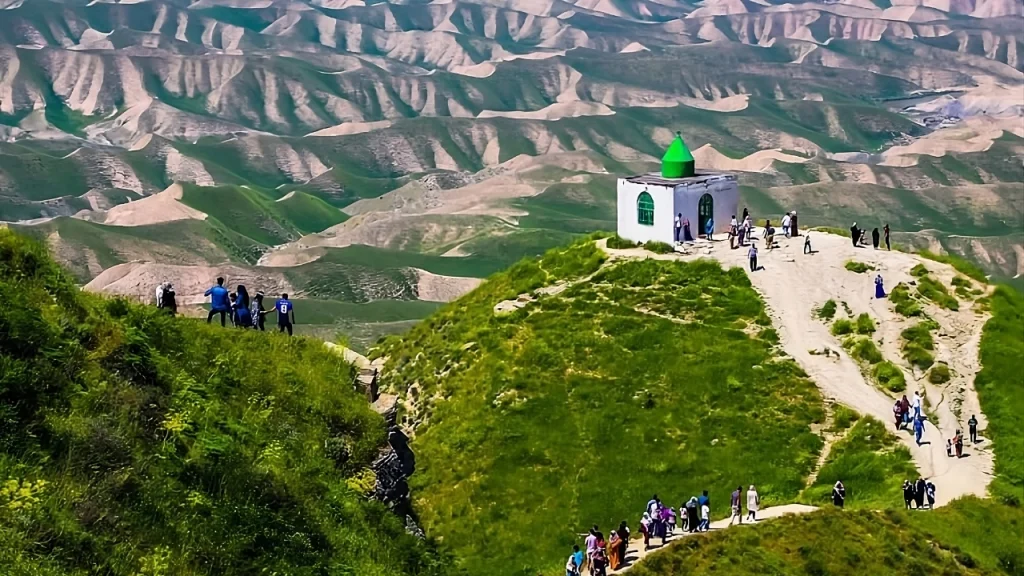
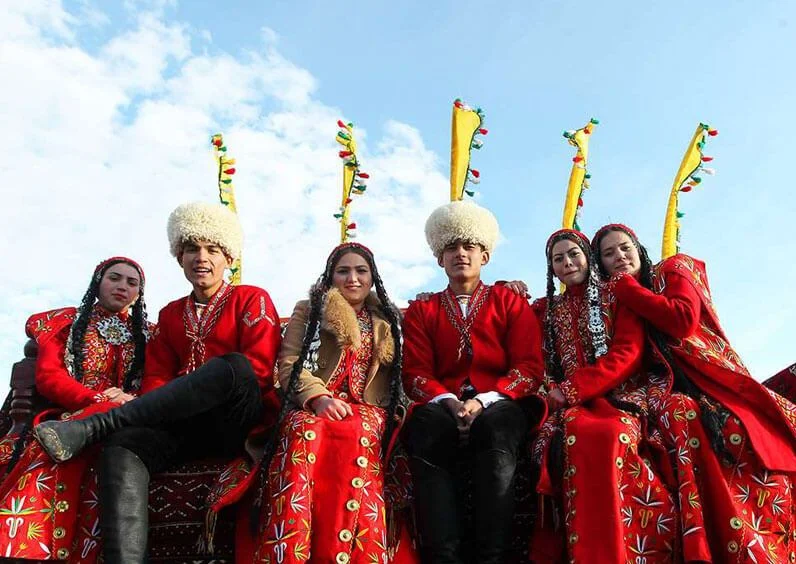
The Turkmen people, about 1% of Iran’s population, primarily reside in the northeastern province of Golestan and parts of North Khorasan. Known for their nomadic traditions, Turkmens excel in carpet weaving, jewelry, and horsemanship – true gems of Persian handicrafts. Gonbad-e Kavoos is the largest Turkmen city in Iran.
Arabs: A Rich Cultural Presence in Southwestern Iran
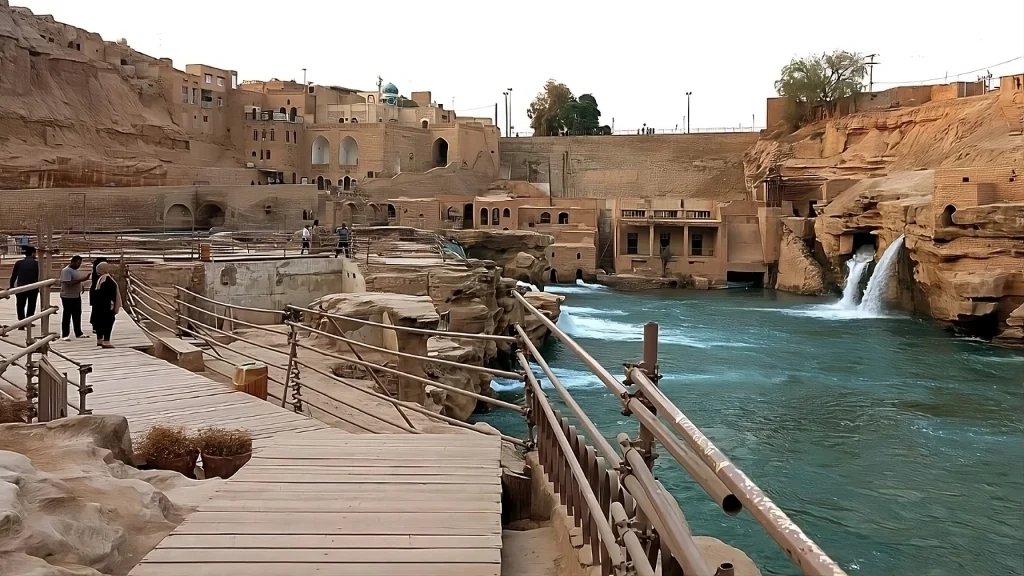
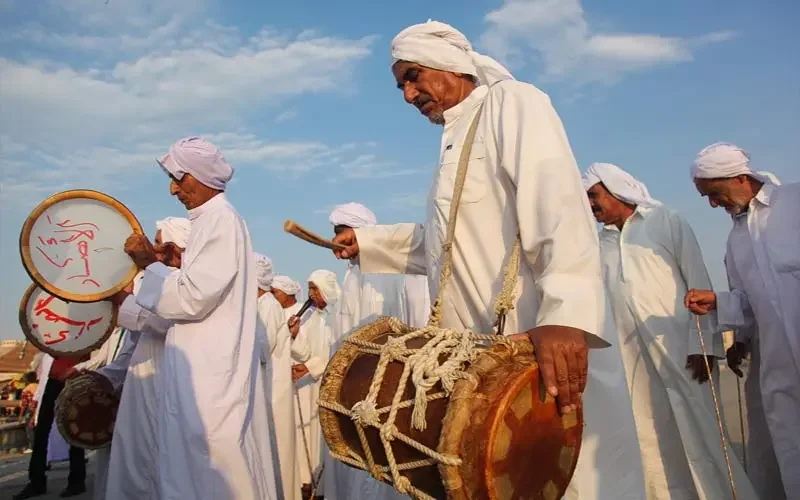
Arabs in Iran make up about 2% of the population, primarily in Khuzestan province. They speak Arabic, particularly the Khuzestani dialect, and have a rich cultural heritage with unique traditions and customs. While most Arabs live in Khuzestan, smaller populations can also be found in Hormozgan, Bushehr, Ilam, and parts of Khorasan Razavi and Fars. They are known for their strong cultural ties to the broader Arab world while maintaining a distinct Iranian identity.
Baluch: A Nomadic Culture of Southeastern Iran
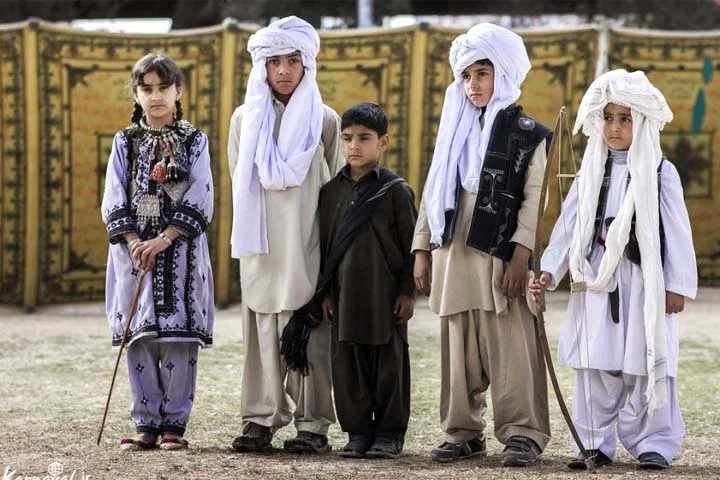
The Baluch people, forming around 2% of Iran’s population, primarily reside in Sistan and Baluchestan. Known for their nomadic traditions, the Baluch have a rich cultural heritage, including music, weaving, and a strong sense of community. They speak Baluchi, an Indo-Iranian language, and have a distinctive cultural identity that connects them to the broader region while maintaining their unique traditions.
Other Ethnic Groups in Iran
In addition to the main ethnic groups, Iran is home to smaller communities such as Gilakis, Mazandaranis, Tats, Talysh, and Armenians, who together represent about 1% of the population. These communities contribute to the diverse cultural mosaic that defines Iran.
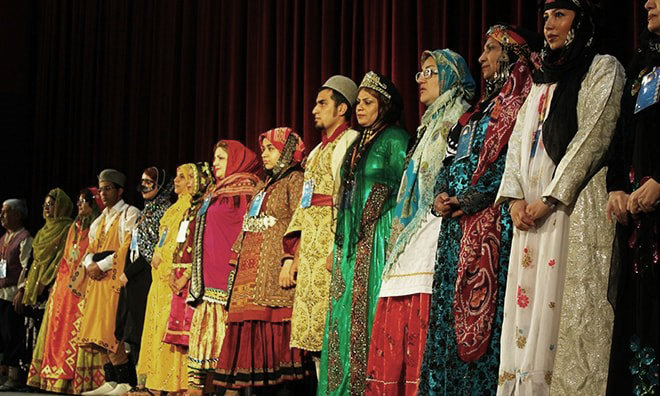
Nomadic Traditions: A Vital Part of Iran’s Cultural Fabric
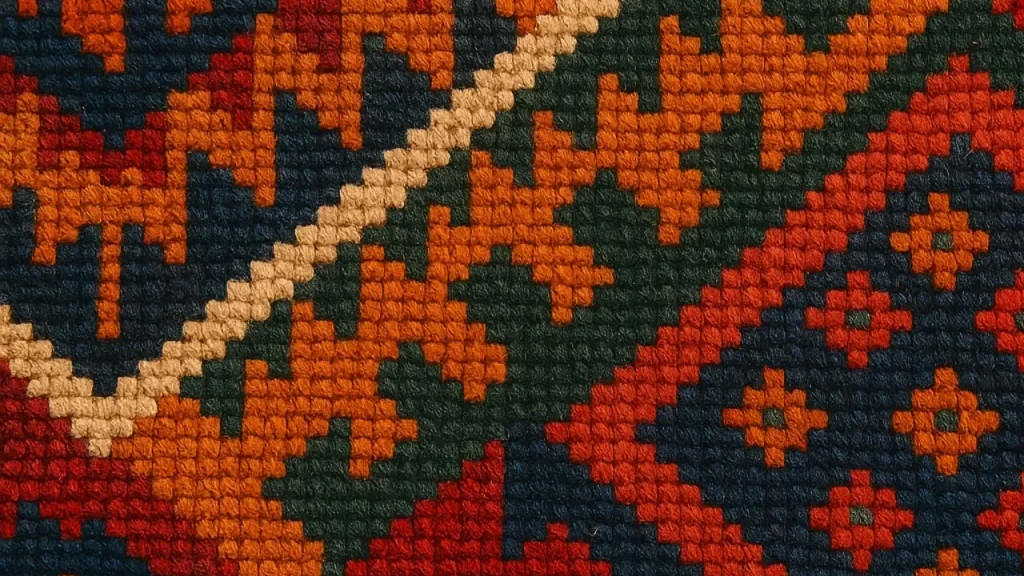
Iran’s nomadic tribes are particularly renowned for their traditional crafts, especially weaving. The famous Persian rugs, kilims, and other textiles are often made by nomadic communities who use ancient techniques passed down through generations. Each tribe’s handmade crafts reflect its unique identity, with intricate patterns and motifs that often tell stories of the tribe’s history and relationship with the natural world.
At Molook Art, we proudly feature authentic nomadic-inspired Persian handicrafts. Shop authentic Persian handicrafts and adornments
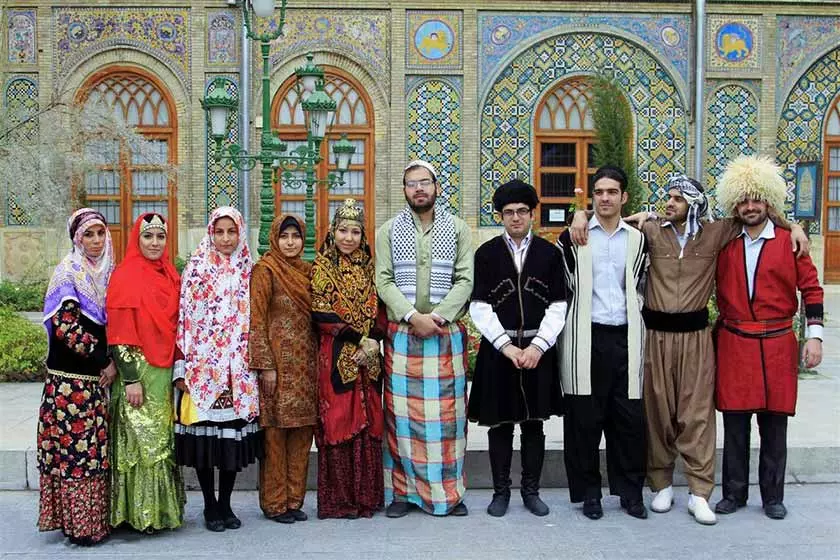
Preserving Cultural Heritage
The vibrant cultures and traditions of Iran’s ethnic groups are at risk due to modern challenges, such as urbanization, climate change, and the loss of traditional knowledge. However, efforts are underway to preserve these rich heritages. By celebrating and showcasing the art, music, and crafts of these diverse communities, the world can gain a deeper understanding of Iran’s true cultural richness.
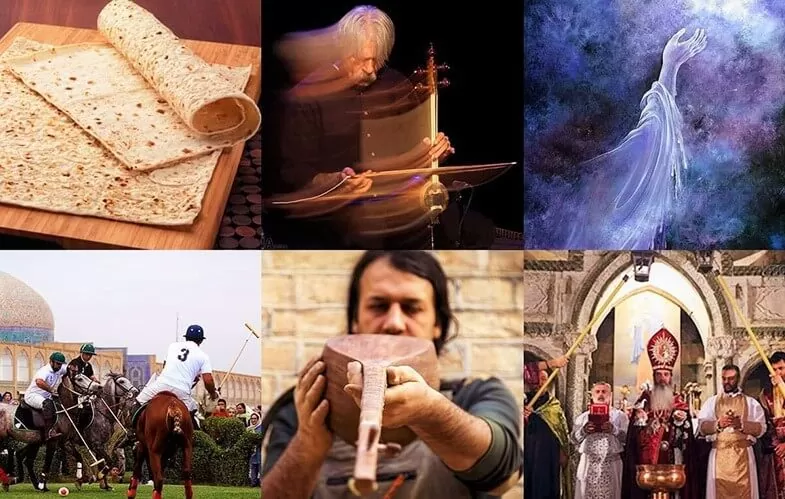
Explore the Diversity of Iran
Iran’s ethnic and cultural diversity is a testament to its rich history and the resilience of its people. From the Persians and Azerbaijanis to the Kurds, Lurs, Turkmen, Arabs, and Baluch, each group adds its unique thread to the intricate tapestry of Iranian culture. As you explore the beauty and traditions of each of these ethnic communities, you’ll uncover the deep connections they share with the land and each other.
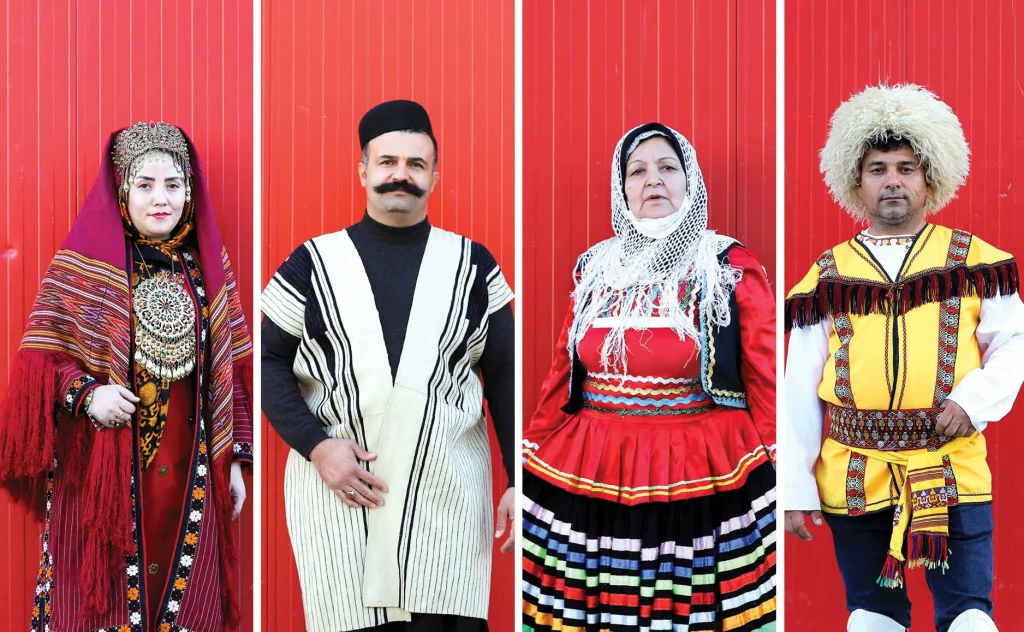
Stay tuned as we delve deeper into the stories, traditions, and crafts of each group and celebrate the living heritage of Iran’s diverse peoples.
“Explore these Iranian ethnic groups deeper and discover authentic Persian handicrafts that carry their timeless spirit – visit Molook Art’s Boutique today!”